
Choosing your first bee suit can feel overwhelming when you are faced with different fabrics, styles, veil designs, and sizing options. Whether you are a beginner preparing for your first hive inspection or an experienced beekeeper looking for a better fit, the right suit should match your working conditions and allow you to move comfortably.

A bee suit is an important part of your protective equipment. It helps cover your body while you work around bees, but its usefulness depends on the garment's construction, fit, closures, and how you wear it. No bee suit can guarantee that you will never be stung, so choosing suitable clothing and wearing it correctly both matter.
This guide explains how to choose a bee suit, compare materials, select a veil, take accurate measurements, and find a fit that works for your beekeeping needs.
What to Consider Before Choosing Your First Bee Suit
Before comparing individual products, think about how and where you plan to keep bees. A suit that works well for one beekeeper may not be the best choice for someone working in a different climate or carrying out different tasks.
Consider these factors before purchasing:
- Climate: Hot or humid conditions may make ventilation a priority, while cotton may suit cooler or moderate weather.
- Type of beekeeping: Consider whether you will be carrying out occasional inspections, working with several hives, or spending longer periods in the apiary.
- Coverage: Decide whether you prefer a full suit or a jacket-and-trouser combination.
- Fit: Your clothing should provide room for comfortable movement and any layers you plan to wear underneath.
- Veil preference: Compare fencing and round veils for their shape, visibility, and comfort.
- Budget: Consider the complete outfit, including gloves, veil, and other protective accessories, rather than looking at the suit price alone.
For a first purchase, prioritize suitable coverage, fit, and climate comfort before choosing decorative details or optional features.
Understanding Different Types of Bee Suits
Bee suits are available in several styles. Understanding the differences can help you choose a garment that suits your preferences and working conditions.
Full-Body Bee Suits
A full-body bee suit is designed to cover the upper and lower body in one garment. It is a popular option for beginners and experienced beekeepers who prefer more extensive body coverage.
When selecting one, check the fit around the wrists, ankles, waist, and veil attachment. You should be able to bend, reach, and move without the fabric pulling tightly against your body.
Beekeeping Jackets
A beekeeping jacket covers the upper body and is normally worn with separate trousers or other suitable lower-body clothing.
Some beekeepers prefer jackets because they can be convenient for shorter tasks or when they want a separate top-and-bottom outfit. However, the lower-body clothing and the area where the jacket meets the trousers also need attention.
Explore the Beekeeping Jackets collection if you are considering this option.
Bee Overalls
Bee overalls combine the upper and lower sections into one garment. They can be convenient for beekeepers who prefer a connected outfit rather than separate trousers and a jacket.
Check the design, closures, fit, and ease of putting the garment on and taking it off before choosing this style.
Ventilated Bee Suits
Ventilated bee suits use mesh-based construction to support airflow. They are worth considering when working in hot or humid conditions, especially when inspections may take longer.
BeBees offers ventilated bee suits for beekeepers comparing options for warmer conditions.
Cotton vs. Ventilated Bee Suits: Which Material Should You Choose?
Fabric choice is one of the most important decisions when selecting a bee suit. Cotton and ventilated mesh suits offer different practical advantages, and the best choice depends on your climate, comfort preferences, and intended use.
Cotton Bee Suits
Cotton suits are a traditional option for beekeepers. They are often considered for cooler or moderate conditions and for buyers who prefer a straightforward fabric choice.
Consider cotton if:
- You generally work in cool or moderate weather.
- You prefer a traditional suit material.
- You are comparing options with budget in mind.
- You want a fabric that can be cared for according to its washing instructions.
Always check the garment's construction, fit, and care label. Do not assume that every cotton suit has the same thickness, construction, or protective performance.
Browse the Cotton Bee Suits collection.
Ventilated Bee Suits
Ventilated suits are designed to support airflow through mesh-based construction. They may be a more comfortable option for beekeepers working in hot or humid weather.
Consider a ventilated suit if:
- You regularly work in warmer conditions.
- Airflow is an important comfort consideration.
- You spend extended periods working around your hives.
- You prefer a mesh-based suit design.
Check the number of layers, garment construction, closures, and fit rather than judging a suit by the word "ventilated" alone.
What About Polycotton?
Polycotton combines cotton with synthetic fibres. It is another material option worth considering when comparing different suits.
The exact feel, airflow, durability, and care requirements depend on the fabric blend and garment construction. Check the product information rather than assuming all polycotton suits perform identically.
For a more detailed comparison, read our guide to ventilated, cotton, and polycotton bee suits.
Bee Suit vs. Beekeeping Jacket: Which Is Right for You?
The main difference between a full bee suit and a beekeeping jacket is the amount of body coverage provided by the garment.
A full suit covers the upper and lower body in one piece. A jacket covers the upper body and needs to be paired with suitable trousers or other lower-body protection.
|
Consideration |
Full Bee Suit |
Beekeeping Jacket |
|
Coverage |
Upper and lower body |
Upper body |
|
Lower-body clothing |
Included in the suit |
Separate clothing required |
|
Waist connection |
No separate jacket-to-trouser join |
Fit and overlap need attention |
|
Convenience |
One main garment |
Can be convenient for shorter tasks |
|
Cost |
Depends on garment and features |
May have a lower initial garment cost, but trousers and other equipment add to the total |
|
Best consideration |
People who prefer more extensive coverage |
People who prefer a separate outfit and can manage the additional clothing appropriately |
For many beginners, a full suit is a straightforward starting point because it provides more extensive coverage in one garment. A jacket can also be suitable when paired with appropriate lower-body clothing and worn correctly.
Your decision should account for your experience, the work you plan to do, the conditions in your apiary, and how comfortably you can wear the complete outfit.
Read our detailed guide: Bee Jacket vs. Full Suit: Which Do You Need?.
Choosing the Right Bee Suit Veil
The veil is an important part of a bee suit because it provides coverage for your head and face while allowing you to see your work.
Two common styles are fencing veils and round veils. Their shape and how they sit around the face are the main differences to consider.
Fencing Veil
A fencing veil has a more compact shape around the head and face. The source article describes it as a style that zips close to the face.
When choosing one, check how it attaches to the suit, how securely it closes, and whether the mesh stays comfortably away from your face while you move.
Round Veil
A round veil sits on a brim or supporting structure that holds the mesh further away from the face.
Some beekeepers prefer this shape because of the space it creates around the head. Consider visibility, comfort, and how the veil is attached to the garment.
Which Veil Should You Choose?
There is no single veil style that is best for everyone. Your choice may come down to personal comfort, visibility, and the design of the suit.
Before purchasing, check:
- Whether the veil is securely attached.
- Whether the closure is easy to use and stays closed.
- Whether the mesh remains away from your face.
- Whether you can see clearly while wearing it.
- Whether the veil is compatible with the suit you have selected.
The source article mentions a separate veil comparison, but does not provide its destination URL. That link should be added only after the correct BeBees page has been identified.
How to Measure Yourself for the Perfect Bee Suit
Accurate measurements help you select a suit that fits comfortably and provides suitable coverage. Guessing your size or relying only on your everyday clothing size can lead to an unsuitable fit.
Use a measuring tape and record the following measurements before consulting the manufacturer's size chart.
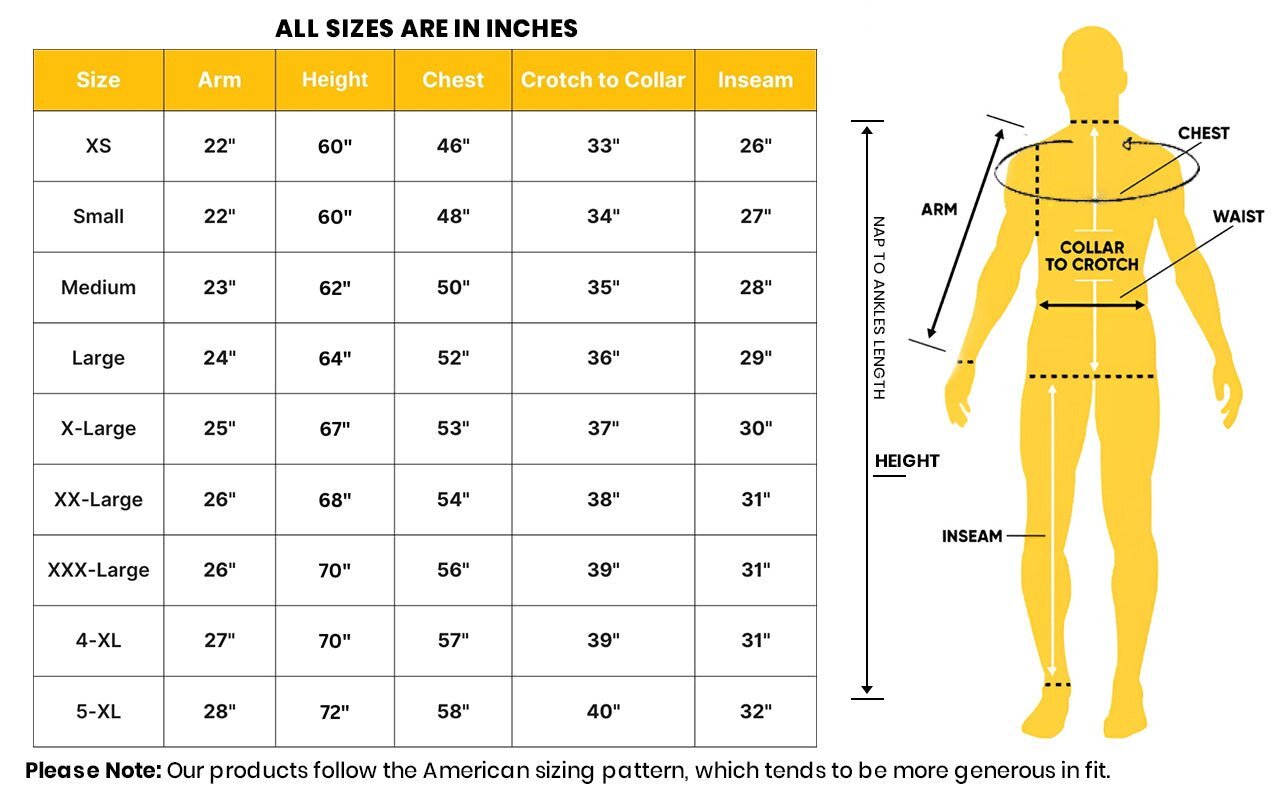
1. Measure Your Height
Stand straight against a wall and measure from the top of your head to the floor.
This measurement helps you assess the overall length of the suit. Make sure the garment will not drag on the ground or restrict your movement.
2. Measure Your Chest
Wrap the measuring tape around the widest part of your chest, just below your armpits.
Keep the tape level and comfortably snug without pulling it tightly against your body.
3. Measure Your Waist
Measure around your natural waistline, usually the narrowest part of your torso.
Keep the tape comfortable and level. Avoid pulling it so tightly that it changes the measurement.
4. Measure Your Inseam
Stand with your legs slightly apart and measure from the crotch to the bottom of your ankle.
This measurement helps you assess the length of the suit's lower section.
5. Measure Your Sleeve Length
Extend your arm and follow the measurement method specified by the manufacturer's size guide. The original guide recommends measuring from the prominent bone at the base of your neck to your wrist with your elbow bent.
Record your measurements carefully so you can compare them with the size chart.
For help with selecting a size, consult the Beesuit Size Guide.
How Should a Bee Suit Fit?
A bee suit should provide enough room for movement without being so loose that it shifts or leaves unnecessary openings.
The goal is a comfortable fit with secure closures and enough space for the clothing layers you intend to wear underneath.
Check the Fit Around Important Areas
Pay particular attention to:
- Wrists: Cuffs should sit securely and work properly with your gloves.
- Ankles: The lower closures should fit appropriately with your footwear.
- Veil: The veil should attach securely and remain correctly positioned.
- Shoulders and chest: You should be able to reach and move without excessive pulling.
- Waist and legs: The garment should allow bending, squatting, and walking without restricting movement.
Allow Room for Movement
When trying on a suit, practise movements you would normally make while beekeeping:
- Raise both arms.
- Reach forward.
- Bend down.
- Squat.
- Walk and turn.
- Move your arms as if handling hive equipment.
If the fabric pulls tightly, restricts movement, or causes the mesh to press against your body, reassess the size and design.
Consider What You Will Wear Underneath
Take measurements while wearing the type of clothing you expect to wear under your suit. If you plan to add layers in cooler weather, allow for them when selecting your size.
Do not simply size up without checking the manufacturer's chart. A larger garment is not automatically a better fit.
Important Features to Check Before Buying a Bee Suit
Measurements and fabric are important, but construction details also deserve attention.
Zippers and Closures
Check that zippers open and close smoothly and that the closures around the wrists, ankles, and other openings sit securely.
Cuffs and Elastic Features
Elasticized or adjustable cuffs can help the garment fit around the wrists and ankles. Check that they are comfortable and work with your gloves and footwear.
Veil Attachment
The veil should attach securely to the suit. Inspect the connection and closure before using the garment.
Reinforced Areas and Stitching
The original guide highlights reinforced areas such as the knees and elbows, as well as double stitching and additional fabric in high-wear areas.
Check the actual garment rather than assuming every suit includes these features.
Pockets
Pockets can be useful for carrying small tools or accessories. Consider their location and whether they are practical for your work.
Overall Construction
Look at the seams, fabric, closures, and general finish. Check the manufacturer's product details for the specific features included with the model you are considering.
Remember that no individual feature makes a suit completely sting-proof. Fit, construction, correct use, and appropriate beekeeping practices all matter.
Choosing a Bee Suit for Different Seasons
Your clothing needs may change with the weather. Consider the conditions in which you will work and whether you need room for additional layers.
Cold Weather
If you expect to wear extra clothing underneath your suit, allow enough room for layering.
Check that the suit remains comfortable when worn over those layers and that movement is not restricted.
Hot Weather
In warmer conditions, ventilation and airflow may become more important. Consider a ventilated suit if its design and fit are appropriate for your needs.
Avoid assuming that simply choosing a larger size will solve overheating. Compare the garment's material and construction.
Spring and Fall
Temperatures can vary during transitional seasons. Consider what you are likely to wear underneath the suit and choose a size that accommodates those clothing combinations comfortably.
Essential Accessories for Your First Bee Suit
A bee suit is only one part of your protective outfit. Accessories should fit properly and work with the garment you choose.
Beekeeping Gloves
Gloves provide hand coverage and should fit comfortably without making it difficult to handle equipment.
The original guide recommends measuring the circumference of your hand just above the knuckles when selecting gloves.
Read our guide to choosing the right beekeeping gloves for more information about glove sizing and types.
Boots and Footwear
Measure the length of your foot from the heel to the tip of your longest toe. If you plan to wear boots over your trousers, also consider the circumference of your calf.
Check that your trousers, footwear, and ankle closures work together without leaving unnecessary gaps.
Veil and Head Protection
Make sure the veil is compatible with your suit and provides appropriate head and face coverage.
If the veil is not included with the suit, account for it when planning your purchase.
Bee Suit Sizing for Kids, Petite, and Plus-Size Beekeepers
A suitable fit matters for every wearer. Children, petite individuals, and plus-size beekeepers may need to pay particular attention to garment length, body measurements, and available size ranges.
Children's and Petite Sizing
Measure height, chest, and waist, then compare the results with the manufacturer's sizing chart.
The suit should not drag on the ground or restrict movement. Check adjustable features and make sure the garment fits the intended wearer rather than relying on age alone.
Plus-Size Bee Suits
For plus-size sizing, take accurate chest, waist, inseam, and sleeve measurements.
Check the manufacturer's extended-size chart and allow for comfortable layering. Do not assume that every manufacturer uses the same measurements for a particular labelled size.
Made-to-Measure Options
If standard sizing does not provide a suitable fit, made-to-measure clothing may be worth considering.
BeBees offers made-to-measure personalization for customers who want to explore a more individual fit.
How Much Should You Spend on Your First Bee Suit?
You do not need to choose the most expensive suit simply because it costs more. The important considerations are whether the garment fits properly, suits your climate, and includes the features you need.
When setting your budget, consider the complete outfit:
- The bee suit or jacket.
- A compatible veil, if it is not included.
- Gloves.
- Suitable footwear.
- Any other protective accessories you need.
A lower-priced jacket may require separate trousers and accessories. A full suit or kit may include more of the items you need, but you should compare the actual contents before deciding.
Do not assume a bundle is automatically better value. Check which pieces are included, whether they fit together, and whether they meet your requirements.
Common Mistakes to Avoid When Buying Your First Bee Suit
Choosing a Size Without Measuring
Guessing based on your usual clothing size can lead to a poor fit. Take your measurements and compare them with the manufacturer's chart.
Ignoring the Climate
A suit that feels uncomfortable in your local weather can make inspections more difficult. Consider the material and ventilation before purchasing.
Choosing a Jacket Without Planning Lower-Body Protection
A jacket does not cover the legs. Make sure you have suitable trousers and footwear, and consider how the garments fit together.
Overlooking the Veil
Do not focus only on the suit fabric. Check the veil's attachment, closure, position, and visibility.
Buying Based on Price Alone
Compare fit, construction, fabric, included accessories, and intended use. A low initial price may not represent the total cost of the outfit.
Forgetting About Layering
If you plan to wear additional clothing underneath, account for it when taking measurements. A suit that fits over a light shirt may feel different over heavier layers.
Frequently Asked Questions
What's the best bee suit for a beginner?
A suitable beginner bee suit should fit properly, provide appropriate coverage, and match the climate in which you keep bees. A full suit may be a straightforward option for someone who prefers more extensive coverage in one garment.
Do I need gloves and a veil too?
A veil is an important part of head and face protection. Gloves provide hand coverage and are commonly worn with a bee suit. Check whether these accessories are included with the garment or need to be purchased separately.
Should beginners get a full suit or a jacket?
A full suit provides more extensive coverage in one garment. A jacket can also be an option, but it needs to be paired with suitable lower-body clothing. Consider your experience, working conditions, and preferred level of coverage.
How much should I spend on my first bee suit?
Choose a budget that allows you to purchase a suit that fits properly and suits your climate. Compare the total cost of the outfit, including any gloves, veil, trousers, or other accessories that are not included.
How do I know what size bee suit to buy?
Take your height, chest, waist, inseam, and sleeve measurements, then compare them with the manufacturer's sizing chart. Consider the clothing layers you plan to wear underneath.
What if my measurements fall between two sizes?
Check the manufacturer's sizing guidance and consider the garment's intended fit. Think about layering and movement rather than automatically choosing the smaller or larger size.
If you are unsure, contact the seller with your measurements before ordering.
Can I alter a bee suit if it doesn't fit?
Altering a bee suit can be difficult because of its specialized construction, closures, and veil attachment. It is generally better to select a size that fits correctly or discuss suitable made-to-measure options before purchasing.
Is a ventilated bee suit better than a cotton suit?
Neither is automatically the best choice for every beekeeper. Ventilated suits are worth considering for hot or humid conditions, while cotton may suit cooler or moderate weather and buyers comparing traditional fabric options.
Are fencing and round veils interchangeable?
That depends on the suit's design and veil attachment system. Check the manufacturer's product information to confirm whether the suit supports both styles and whether the veils are supplied separately or included.
Conclusion: Choose a Bee Suit That Fits Your Needs
Selecting the right bee suit involves more than choosing a fabric or picking a size. Consider your climate, preferred coverage, veil style, garment construction, accessories, and the measurements needed for a comfortable fit.
For your first purchase, focus on suitable protection, secure closures, and enough room to move and layer comfortably. Compare the complete cost of your outfit rather than looking at the suit alone.
Taking time to measure correctly and compare your options can help you choose a bee suit that suits your beekeeping needs and gives you greater confidence when working around your hives.