
Bees can capture a child’s imagination. From watching them visit flowers to learning how a hive works, there are many ways for young nature enthusiasts to discover the fascinating world of beekeeping.
Introducing children to beekeeping can be an educational experience when it is approached thoughtfully. Parents and guardians can begin with simple learning activities, encourage questions, and consider protective clothing if a child is going to be near a hive.
The most important thing is to make the experience appropriate for the child. Curiosity, comfort, and responsible adult supervision should guide every step.
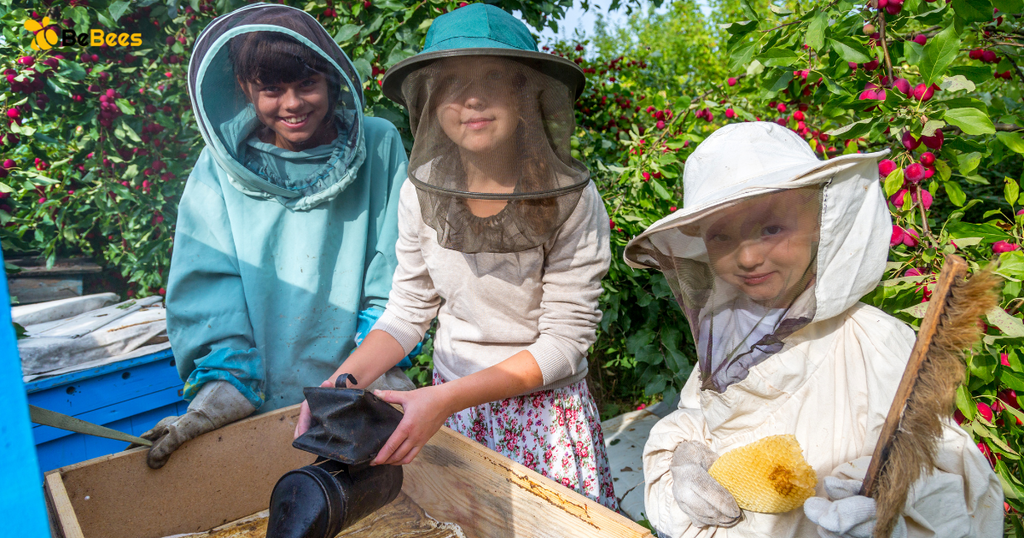
Why Introduce Kids to Beekeeping?
Beekeeping offers children an opportunity to learn about nature through observation and practical experiences. Bees are part of a larger ecosystem, and understanding their role can help children appreciate how living things are connected.
Learning About Bees and Pollination
Children can explore how bees live, how a hive is organized, and how bees visit flowers. Learning about pollination also introduces the connection between bees, plants, and food production.
These topics can be explored through books, conversations, gardens, or supervised observation.
Encouraging Curiosity About Nature
Watching bees at work can lead to questions: Why do bees visit flowers? Where do they go? How do they make honey?
Parents can use these questions as starting points for learning. There is no need to rush toward direct hive interaction; observation and discussion can be meaningful experiences on their own.
Learning About Care and Responsibility
Beekeeping involves paying attention to living creatures and their environment. Children can learn about gentle behavior, respect for nature, and the importance of following instructions.
These lessons can begin with simple activities such as tending a bee-friendly garden or keeping a journal of observations.
How to Introduce Children to Beekeeping
A child’s first experience with beekeeping does not need to involve opening a hive. Start with learning and observation, then consider whether more direct participation is appropriate.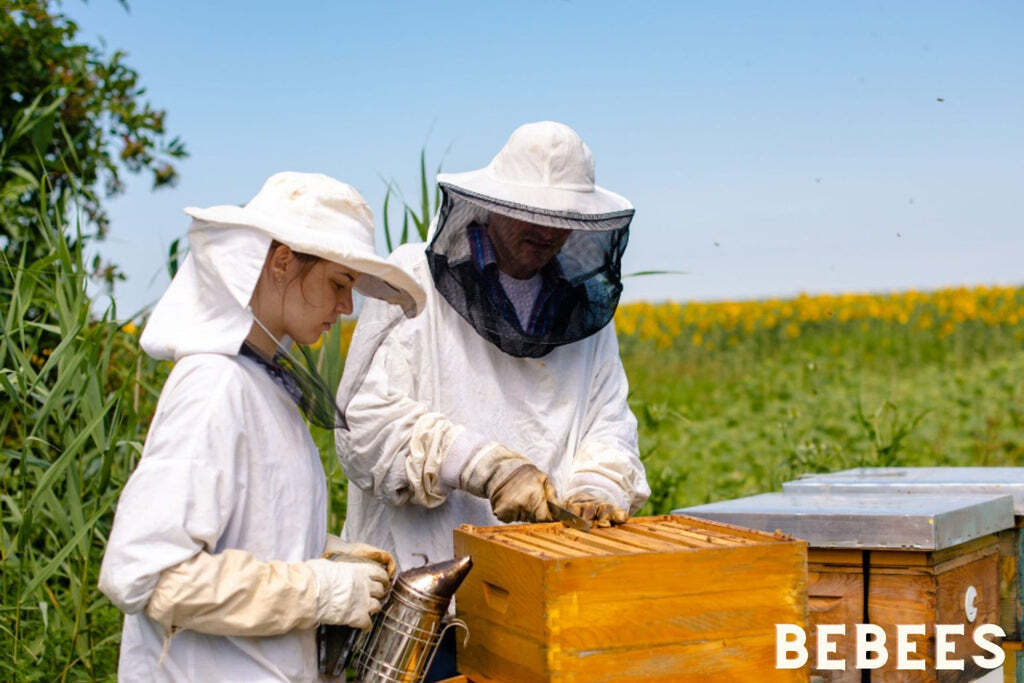
Begin With Learning and Observation
Introduce children to bees through age-appropriate books, pictures, videos, or conversations. Explain what bees do and why they are important to plants and the environment.
If bees are observed outdoors, choose an appropriate viewing distance and avoid disturbing them. An observation hive or another supervised viewing setup may provide a way to learn about bee activity without opening a live colony.
Let Children Ask Questions
Children may be curious about the queen, honey, the hive, or the way bees communicate. Encourage their questions and explain what you can in clear, simple language.
It is also fine to say that you do not know an answer and look it up together.
Respect Their Comfort Level
Some children may be excited to observe bees, while others may feel uneasy. Do not pressure a child to approach a hive, wear protective clothing, or take part in an activity they do not want to do.
Let their comfort, maturity, and understanding help guide what happens next.
Keep Early Experiences Calm
If an adult decides that a child is ready to be near a beekeeping activity, keep the experience manageable. Explain what will happen beforehand, maintain close supervision, and be prepared to end the activity if the child becomes uncomfortable or the situation changes.
Beekeeping Safety for Kids
Beekeeping around live colonies requires careful judgment. Protective clothing is one part of preparation, but it does not remove every risk associated with bees.
Children should only participate when a responsible adult with suitable beekeeping experience is present and actively supervising. The adult should assess the colony, the environment, the child’s readiness, and whether the planned activity is appropriate.
Teach Simple, Practical Rules
Before a child approaches a hive, explain the expectations clearly:
- Follow the supervising adult’s instructions.
- Move calmly and avoid sudden movements.
- Do not swat at bees.
- Do not approach or open a hive independently.
- Stay with the supervising adult.
- Leave the area when instructed.
- Do not participate if feeling frightened or uncomfortable.
The adult should make sure any protective clothing is properly fitted and secured before the activity begins.
Understand the Role of Protective Clothing
A children’s beesuit, gloves, and veil can help provide protective coverage during beekeeping activities. Fit and secure closures matter because gaps in clothing can undermine that coverage.
A beesuit should never be described as making a child completely sting-proof. Adults must continue to assess the situation and supervise closely, even when suitable protective gear is being worn.
Parents should also consider any known bee-sting allergy or relevant medical concern with an appropriate healthcare professional before deciding whether a child should participate around live bees.
Choosing the Right Children’s Bee Suit
If a child will be near a live colony, selecting appropriate protective clothing is an important consideration. A children’s bee suit should be chosen with attention to fit, coverage, comfort, and the activity being planned.
Fit and Coverage
A suit should fit the child appropriately and allow them to move comfortably. Clothing that is too loose may create openings, while a suit that is too restrictive may make movement difficult.
Review the manufacturer’s sizing information and measurements before choosing a size. Do not assume that an adult suit will fit a child adequately simply because it can be adjusted.
BeBees offers a children’s beekeeping suits collection. Parents should review the available sizing details and product information to determine whether a particular garment is suitable for their child.
Comfort and Ease of Movement
Children may find protective clothing unfamiliar. Consider whether the suit allows them to move naturally and whether they are comfortable wearing it.
A child should be able to communicate if the garment feels uncomfortable or if they want to stop the activity.
Veil and Visibility
The veil is an important part of protective coverage for the head and face. Check that it is securely attached as intended and that the child can see clearly while wearing it.
Parents should follow the product’s instructions for putting on, securing, and using the garment.
Consider the Planned Activity
The clothing needed for observation may differ from what an adult considers appropriate for a hive inspection. The supervising adult should decide whether the child should participate in the activity at all and what protective equipment is appropriate.
For help with measurements, see BeBees’ guide on measuring a child for a bee suit.
What Should Young Beekeepers Wear?
Protective clothing should be considered as part of a broader plan for responsible participation. Depending on the activity and the equipment being used, parents and supervising adults may review the following:
- Children’s beesuit: Consider fit, coverage, comfort, and secure closures.
- Beekeeping gloves: Review whether gloves are appropriate for the child and activity, and whether they fit well enough to allow comfortable movement.
- Veil: Check that it is securely fitted and provides suitable visibility.
- Footwear: Consider footwear that is appropriate for the location and activity, following the supervising adult’s guidance.
The supplied articles discuss junior-sized gloves and kid-friendly veils, but they do not establish one universal equipment setup for every child or beekeeping situation. The supervising adult should make that assessment.
Fun and Educational Beekeeping Activities for Kids
Children can explore the world of bees through activities that do not require direct contact with a live colony.
Create a Bee-Friendly Garden
Planting flowers that attract pollinators can help children learn about the relationship between bees and plants.
As the garden grows, children can observe which flowers bees visit and record what they notice. This offers an opportunity to discuss pollination and the role of plants in supporting pollinators.
Observe Bee Activity
Watching bees from an appropriate distance can be a useful learning activity. Children can notice how bees visit flowers and discuss what they observe with an adult.
If a viewing hive or observation setup is used, it should be managed by a responsible adult and selected to avoid disturbing the bees.
Explore Honey
A honey-tasting activity can introduce children to the variety of flavors associated with honey. An adult can explain that bees gather nectar from plants and discuss how flowers and the environment relate to honey.
Parents should account for the child’s individual dietary needs and ensure that any tasting is appropriate for them.
Keep a Beekeeping Journal
A journal can turn observation into an ongoing learning project. Children may:
- Draw bees, flowers, or hive components.
- Record what they observe in a garden.
- Write down questions about bees.
- Note changes they see over time.
This activity can be done without opening a hive or handling bees.
Personalize Beekeeping Clothing and Equipment
Children may enjoy personalizing their gear or creating bee-themed designs. This can be a creative activity separate from live-bee work.
If a child decorates protective clothing, make sure the changes do not interfere with its fit, closures, visibility, or intended use. Follow the manufacturer’s care and customization guidance.
Children’s Bee Suits: Learning, Exploration, and Play
Children’s bee suits may be part of a young person’s interest in beekeeping, but it is useful to distinguish between three different experiences.
Imaginative Play
Bee-themed clothing can inspire imaginative play, drawing, storytelling, or pretend beekeeping. These activities can take place away from live colonies and do not require children to handle bees.
Educational Activities
Children can learn about bees through books, gardens, observation, and discussions with adults. Protective clothing may be relevant when an adult plans a suitable supervised activity near a hive.
Actual Beekeeping Around Live Colonies
Working around live bees is different from imaginative play. A children’s bee suit is protective clothing, not a toy or a guarantee of safety. The decision to involve a child around a live colony belongs to the responsible adult and should be based on the child’s readiness and the conditions.
Helping Young Beekeepers Build Confidence
A positive introduction to beekeeping should leave room for questions, uncertainty, and changing comfort levels.
Parents can help by explaining activities before they begin, demonstrating calm behavior, and giving children time to observe. Children should be able to say when they are uncomfortable and stop participating without being pressured.
Confidence does not need to mean handling bees or taking part in a hive inspection. A child who learns about pollination, watches bees from a suitable distance, or keeps a nature journal is still exploring the world of bees.
The adult’s role is to support curiosity while making responsible decisions about safety.
Frequently Asked Questions
Is beekeeping suitable for children?
Children may enjoy learning about bees through observation, gardening, and educational activities. Whether a child should participate around a live colony depends on their maturity, comfort, the circumstances, and the judgment of a responsible supervising adult.
How can I introduce my child to beekeeping?
Begin with books, conversations, and observation. Explain what bees do, encourage questions, and avoid rushing into direct hive interaction. Let the child’s interest and comfort guide the experience.
Do children need a bee suit?
A bee suit may be appropriate when an adult decides that a child will participate in a suitable activity around a live colony. The supervising adult should assess the situation and select protective clothing that fits properly.
What should I look for in a children’s bee suit?
Review the sizing information, fit, coverage, comfort, movement, veil, and secure closures. Choose clothing appropriate to the planned activity and follow the manufacturer’s instructions.
Can a children’s bee suit prevent all bee stings?
No protective garment should be treated as a guarantee against stings. A properly selected suit can provide protective coverage, but adult supervision and careful assessment of the situation remain essential.
What beekeeping activities can children do?
Depending on their interest and the setting, children can learn about bees, observe pollinators, plant a bee-friendly garden, explore honey, draw observations, or keep a journal. Activities around live colonies require responsible adult supervision.
Should children participate in hive inspections?
Not every child should participate in a hive inspection. The supervising adult should decide whether the child is ready and whether the circumstances are appropriate. Observation or other learning activities may be a better starting point.
Final Thoughts: Helping Young Beekeepers Explore the World of Bees
Beekeeping can open the door to learning about nature, pollination, and the role bees play in the environment. Children can begin with observation, questions, gardens, and creative activities before considering any involvement around live colonies.
When protective clothing is appropriate, choosing a well-fitting children’s beesuit is an important part of preparation. But clothing is only one consideration: responsible adult supervision, careful judgment, and the child’s comfort should always come first.
Explore the BeBees children’s beekeeping suits and review the available sizing information to help you make an informed choice for your young nature enthusiast.