
Beekeeping is a rewarding activity that connects people with nature, supports pollination, and provides an opportunity to learn about the fascinating world of honeybees. Whether you are a beginner or an experienced beekeeper, choosing the right clothing is an important part of preparing for time in the apiary.
Today, beekeeping clothing is available in different styles, colors, and designs. From traditional full-body suits to modern ventilated jackets, beekeepers have more choices than ever. However, when choosing an outfit for the apiary, appearance should never come before protection.
The best approach to beekeeping fashion is simple: safety first, functionality second, and personal style third. Your clothing should provide appropriate coverage, allow comfortable movement, and suit the work you plan to do. Once these practical requirements are met, you can consider colors, designs, and personal preferences.
What Is Beekeeping Fashion?
Beekeeping fashion refers to the clothing and accessories beekeepers wear while working with honeybees. It combines practical protective clothing with personal style, comfort, and individual preferences.
In the past, beekeepers commonly wore long-sleeved shirts, pants made from thicker materials such as cotton or canvas, and light-colored clothing. Veils and hats with mesh screens were also used to protect the face and head.
Modern beekeeping clothing offers a wider variety of styles, colors, and materials. Beekeepers can choose from traditional cotton suits, ventilated protective clothing, jackets, trousers, gloves, and different veil styles.
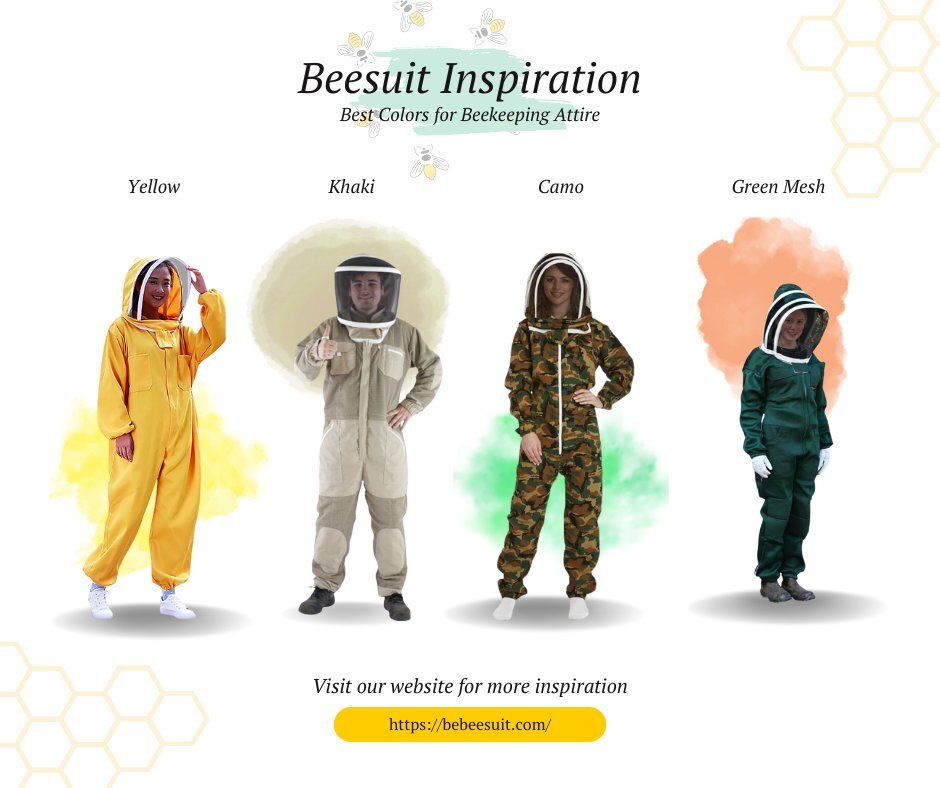
Although modern designs provide more choices, the primary purpose of beekeeping clothing remains the same: to help reduce exposure to bee stings while allowing beekeepers to work comfortably and confidently.
Combining Style and Functionality in Beekeeping Clothing
A good beekeeping outfit should balance practical protection, comfort, and personal preferences. Looking stylish is a welcome bonus, but it should never come at the expense of protective function.
1. Choose Protection Before Appearance
Safety should always be the first consideration when selecting beekeeping clothing. Before choosing a particular color, pattern, or design, consider whether the clothing is appropriate for the work you will be doing.
Important considerations include:
-
Appropriate coverage: Choose clothing that provides suitable coverage for your beekeeping activities.
-
Proper fit: Clothing should fit comfortably without being excessively tight or leaving unnecessary openings.
-
Secure closures: Check zippers, elastic cuffs, and other closures to help reduce gaps where bees may enter.
-
Suitable veil: Select a veil that provides appropriate head and face coverage while allowing clear visibility.
-
Gloves: Choose gloves suitable for your work and comfortable enough to allow the movement you need.
-
Footwear: Wear suitable footwear that provides appropriate coverage and stability around the apiary.
-
Garment condition: Regularly inspect your clothing for damaged fabric, worn areas, broken zippers, or other issues that may affect its protective function.
Protective clothing can help reduce exposure to bee stings, but no outfit should be considered a guarantee against them. Appropriate beekeeping practices and awareness of the conditions around the hive remain important.
2. Select Clothing That Supports Comfort and Movement
Comfort is another important part of choosing beekeeping clothing. Working around hives may involve bending, lifting, walking, and standing for extended periods.
Clothing that restricts movement or becomes uncomfortable can make these activities more difficult. Consider the material, fit, ventilation, and overall design before making a choice.
For example, ventilated beekeeping clothing may be worth considering when working in warmer conditions. Traditional cotton clothing may appeal to beekeepers who prefer a more conventional style.
The right choice depends on your working conditions, personal preferences, and the type of beekeeping activities you perform.
3. Explore Different Styles and Colors
Once protection and functionality have been considered, personal style can become part of your decision.
Beekeeping clothing is available in different colors and designs. Some beekeepers prefer traditional white clothing, while others may choose different colors or patterns according to their preferences.
You can also consider details such as garment design, pockets, and veil style. These choices can help you find clothing that reflects your personality while remaining suitable for the apiary.
Different Styles of Beekeeping Clothing
There are several types of clothing available to suit different beekeeping needs.
Traditional Beekeeping Suits
Traditional beekeeping suits provide full-body coverage and are a popular choice for beekeepers who prefer an all-in-one outfit.
They are commonly worn with a veil, gloves, and suitable footwear. When selecting a traditional suit, pay attention to its fit, closures, material, and overall condition.
Ventilated Beekeeping Clothing
Ventilated beekeeping clothing is designed with breathable mesh layers. It may be a useful option for beekeepers working in warmer conditions who want clothing that supports airflow.
When choosing a ventilated suit or jacket, check that its construction and closures are appropriate for your beekeeping activities.
Beekeeping Jackets
Beekeeping jackets provide upper-body coverage and are an option for beekeepers who prefer a separate jacket-and-trouser combination.
They are available in different styles, materials, and veil configurations. Make sure the jacket fits properly and works with the trousers and other protective equipment you intend to wear.
Beekeeping Accessories
Accessories are also an important part of a beekeeper's outfit. Depending on your needs, these may include:
-
Beekeeping veils and hats
-
Protective gloves
-
Suitable boots or footwear
-
Beekeeping aprons
-
Additional protective clothing
Choose accessories based on their practical purpose and compatibility with the rest of your outfit.
Choosing the Right Beekeeping Outfit
The right outfit depends on your experience, the type of work you perform, and the conditions in your apiary.
For Beginner Beekeepers
Beginners should prioritize suitable protective clothing and learn how to wear and check it correctly before approaching a hive.
A full beekeeping suit or a suitable jacket-and-trouser combination may be a practical starting point. Other important items include:
-
A suitable veil or head covering
-
Protective gloves
-
Appropriate footwear
-
Clothing that fits properly and allows comfortable movement
New beekeepers should also learn basic hive-handling practices and follow guidance from an experienced beekeeper where possible.
For Experienced Beekeepers
Experienced beekeepers may have more specific preferences based on their routine, working environment, and the type of apiary work they perform.
Some may prefer ventilated jackets, while others choose full-body suits or different combinations of protective clothing.
Custom-made protective clothing can also be an option when a beekeeper wants particular sizing, colors, or design preferences. Whatever the choice, practical protection and proper fit should remain the priority.
Safety Considerations When Choosing Beekeeping Clothing
Fashion and personal expression can make beekeeping clothing more enjoyable, but they should never distract from the importance of safety.
Before wearing your outfit in the apiary, take a moment to check the following:
-
Check the fit: Make sure your clothing fits comfortably and does not leave unnecessary openings.
-
Inspect the closures: Check zippers, cuffs, and other fastening points.
-
Check your veil: Ensure it is properly positioned and provides suitable coverage and visibility.
-
Inspect your gloves: Make sure they are in good condition and suitable for the task.
-
Wear appropriate footwear: Choose footwear that provides suitable coverage and stability.
-
Inspect the fabric: Look for tears, holes, or worn areas that could affect the clothing's protective function.
-
Consider the conditions: Choose clothing appropriate for the weather and the work you plan to perform.
Remember that protective clothing is only one part of safe beekeeping. Proper handling techniques, careful preparation, and awareness of bee behavior are also important.
Personalizing Your Beekeeping Style
After considering protection, fit, and comfort, you can explore ways to make your beekeeping outfit reflect your personal preferences.
Some beekeepers prefer simple, traditional designs, while others enjoy different colors, patterns, or customized details.
Custom-made clothing can provide options for individual sizing, colors, and design preferences. These choices allow beekeepers to select an outfit that suits their needs without losing sight of its practical purpose.
At Bebees, beekeepers can explore different types of protective clothing and consider Custom-made protective clothing according to their preferences.
The goal is to find clothing that feels comfortable, suits your work, and provides appropriate protection.
Maintaining Your Beekeeping Clothing
Taking care of your beekeeping clothing is important for keeping it in usable condition.
After working in the apiary, inspect your clothing for dirt, honey, propolis, tears, and damaged closures. Follow the manufacturer's care instructions when washing and drying your garments.
A few simple maintenance habits can help:
-
Inspect your suit or jacket after use.
-
Check zippers, cuffs, and seams regularly.
-
Clean clothing according to its care instructions.
-
Allow garments to dry properly before storing them.
-
Store protective clothing in a clean, dry place.
-
Replace clothing when damage affects its intended protective function.
For more detailed cleaning guidance, read our guide on how to wash your beekeeping attire.
Frequently Asked Questions
Why do beekeepers wear white clothing?
Many beekeepers traditionally wear white or other light-colored clothing. This is a familiar part of beekeeping attire, although clothing color alone does not guarantee protection from bee stings.
Learn more in our article: Why do beekeepers wear white?
Can I wear regular clothes for beekeeping?
Regular clothing may not provide the coverage and practical features of purpose-designed beekeeping clothing. When working with hives, choose suitable protective clothing, including appropriate head and face protection, gloves, and footwear.
Does safety matter more than style when choosing beekeeping clothing?
Yes. Safety should always come before appearance. Your clothing should provide appropriate coverage, fit properly, and allow comfortable movement. Once these requirements are considered, you can choose colors, designs, and styles that suit your personal preferences.
Can I wear jewelry while beekeeping?
It is generally practical to avoid unnecessary accessories that may get caught, interfere with protective clothing, or become inconvenient while working around hives. Keep your outfit simple and suitable for the task.
How should I wash my beekeeping clothing?
Always follow the garment's care instructions. Inspect your clothing for damage before and after washing, and make sure it is completely dry before storing it.
For more information, see our guide on how to wash your beekeeping attire.
Conclusion
Beekeeping fashion has developed beyond traditional shirts, trousers, and veils. Today's beekeepers can choose from different suits, jackets, materials, colors, and accessories to suit their individual preferences.
However, the most important consideration remains the same: safety first, functionality second, and personal style third.
Choose clothing that provides appropriate coverage, fits properly, allows comfortable movement, and suits your beekeeping activities. Once those requirements are met, you can explore different styles and designs to create an outfit that feels right for you.
With the right preparation and suitable clothing, you can approach your time in the apiary with greater comfort and confidence.