
Everything you need to choose & care for your gear
Honest, no-fluff guides from the people who actually sew the suits — how to pick the right protection, get the fit right, and look after it so it lasts.
How Long Do Bees Live? An Expert Guide to Bee Lifespan, Biology, and Colony Survival
Bee lifespan varies widely by species and role. Worker bees live weeks to months, queens can live for years, and colonies survive through constant renewal. This expert guide explains the biology, behavior, and survival strategies behind bee lifespans.
Read the guide →
Flowers for Beekeeping: The Best Blooms Every Beekeeper Should Grow
🐝 Introduction: Why Flowers Matter in Beekeeping At BeBees, we believe that strong hives begin with healthy flowers. Every drop of honey, every pollen-filled comb, and every buzzing colony owes its strength to the right blooms around the hive. Beekeeping isn’t only about tending hives — it’s also about creating a rich environment for bees to thrive. Planting the right flowers provides bees with the nectar and pollen they need for survival, honey production, and brood nourishment. If you’re a new or seasoned beekeeper, here’s your complete BeBees guide to choosing the best flowers for honeybee
Read the guide →About Beekeeping
How Long Do Bees Live? An Expert Guide to Bee Lifespan, Biology, and Colony Survival
Bee lifespan varies widely by species and role. Worker bees live weeks to months, queens can live for years, and colonies survive through constant renewal. This expert guide explains the biology, behavior, and survival strategies behind bee lifespans.
Flowers for Beekeeping: The Best Blooms Every Beekeeper Should Grow
🐝 Introduction: Why Flowers Matter in Beekeeping At BeBees, we believe that strong hives begin with healthy flowers. Every drop of honey, every pollen-filled comb, and every buzzing colony owes its strength to the right blooms around the hive. Beekeeping isn’t only about tending hives — it’s also about creating a rich environment for bees to thrive. Planting the right flowers provides bees with the nectar and pollen they need for survival, honey production, and brood nourishment. If you’re a new or seasoned beekeeper, here’s your complete BeBees guide to choosing the best flowers for honeybee
How Do Bees Make Honey? A Complete Beginner’s Guide
Ever wondered how bees turn flower nectar into golden honey? ? Through teamwork, enzymes, and clever hive design, bees collect, transform, and store nectar in wax combs to create the honey that fuels their survival. This beginner-friendly guide breaks dow

Top 5 Mistakes Beginner Beekeepers Still Make in 2025
In 2025, beekeeping continues to thrive as a sustainable and rewarding practice—but many beginners still fall into common traps that can jeopardize hive health. This detailed guide highlights the top five mistakes new beekeepers make, from ignoring smart
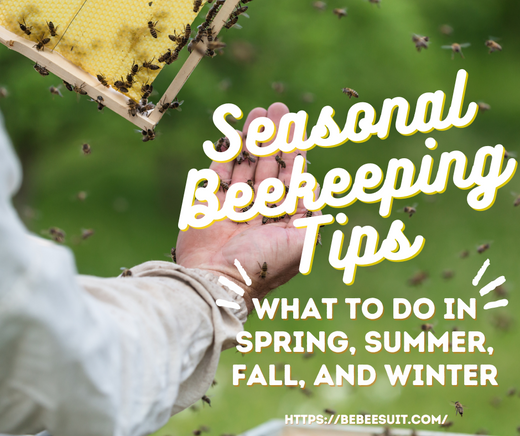
Seasonal Beekeeping Tips: What to Do in Spring, Summer, Fall, and Winter
Beekeeping requires seasonal care to maintain hive health. In spring, inspect and expand; in summer, manage honey and pests; in fall, harvest and prepare for winter; and in winter, protect from cold and ensure food stores. Seasonal adaptation keeps coloni
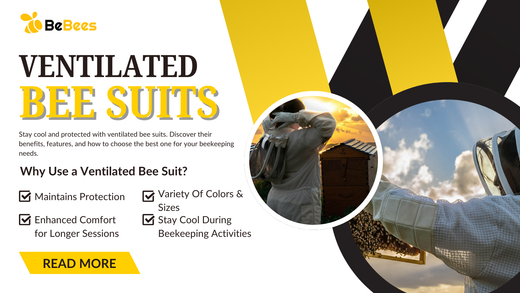
Ventilated Bee Suits: A Comprehensive Guide for Beekeepers
Beekeeping is a fascinating and rewarding activity, but it requires proper protective gear to keep you safe from stings while ensuring comfort during those long hours working with hives. A ventilated bee suit is an essential piece of equipment that combines safety with breathability, making beekeeping a more comfortable experience, especially during warmer months. In this detailed guide, we'll explore everything you need to know about ventilated bee suits, from their design and benefits to choosing the right one for your needs. What Is a Ventilated Bee Suit? A ventilated bee suit is a speciali
About Beekeeping
How Long Do Bees Live? An Expert Guide to Bee Lifespan, Biology, and Colony Survival
Bee lifespan varies widely by species and role. Worker bees live weeks to months, queens can live for years, and colonies survive through constant renewal. This expert guide explains the biology, behavior, and survival strategies behind bee lifespans.
Flowers for Beekeeping: The Best Blooms Every Beekeeper Should Grow
🐝 Introduction: Why Flowers Matter in Beekeeping At BeBees, we believe that strong hives begin with healthy flowers. Every drop of honey, every pollen-filled comb, and every buzzing colony owes its strength to the right blooms around the hive. Beekeeping isn’t only about tending hives — it’s also about creating a rich environment for bees to thrive. Planting the right flowers provides bees with the nectar and pollen they need for survival, honey production, and brood nourishment. If you’re a new or seasoned beekeeper, here’s your complete BeBees guide to choosing the best flowers for honeybee
How Do Bees Make Honey? A Complete Beginner’s Guide
Ever wondered how bees turn flower nectar into golden honey? ? Through teamwork, enzymes, and clever hive design, bees collect, transform, and store nectar in wax combs to create the honey that fuels their survival. This beginner-friendly guide breaks dow
Top 5 Mistakes Beginner Beekeepers Still Make in 2025
In 2025, beekeeping continues to thrive as a sustainable and rewarding practice—but many beginners still fall into common traps that can jeopardize hive health. This detailed guide highlights the top five mistakes new beekeepers make, from ignoring smart
Seasonal Beekeeping Tips: What to Do in Spring, Summer, Fall, and Winter
Beekeeping requires seasonal care to maintain hive health. In spring, inspect and expand; in summer, manage honey and pests; in fall, harvest and prepare for winter; and in winter, protect from cold and ensure food stores. Seasonal adaptation keeps coloni
Ventilated Bee Suits: A Comprehensive Guide for Beekeepers
Beekeeping is a fascinating and rewarding activity, but it requires proper protective gear to keep you safe from stings while ensuring comfort during those long hours working with hives. A ventilated bee suit is an essential piece of equipment that combines safety with breathability, making beekeeping a more comfortable experience, especially during warmer months. In this detailed guide, we'll explore everything you need to know about ventilated bee suits, from their design and benefits to choosing the right one for your needs. What Is a Ventilated Bee Suit? A ventilated bee suit is a speciali
Ready to gear up?
Read enough? Browse the suits, or send your measurements for a fit that's made for you.
Bees do not all live the same length of time.
In fact, bee's lifespan is one of the clearest examples of how biology, behavior, and workload shape survival.
Some bees live only a few weeks. Others—particularly queen bees—can live for several years. At the colony level, honey bees operate as a superorganism, meaning the colony can survive far longer than any individual bee.
This guide explains bee lifespan from an expert perspective, combining:
-
established entomological research
-
real-world beekeeping observations
-
clear, practical explanations
Quick, Accurate Answer
Most bees live from a few weeks to several months, while queen bees can live up to 5 years.
Worker bees have the shortest lifespans due to intense physical labor, drones live only long enough to mate, and queens live the longest because they are protected and continuously nourished.
Why Bee Lifespan Varies So Much
Honey bees (Apis mellifera) are eusocial insects. Their survival strategy is not based on individual longevity but on the continuous replacement of individuals.
From a biological standpoint:
-
Workers are designed for short, high-intensity lives
-
Queens are designed for long-term reproduction
-
Drones are designed solely for mating
This division of labor explains nearly all lifespan differences observed in bees.
As Thomas Seeley describes, the honey bee colony functions as a single living system, where individuals are expendable but the colony is not.
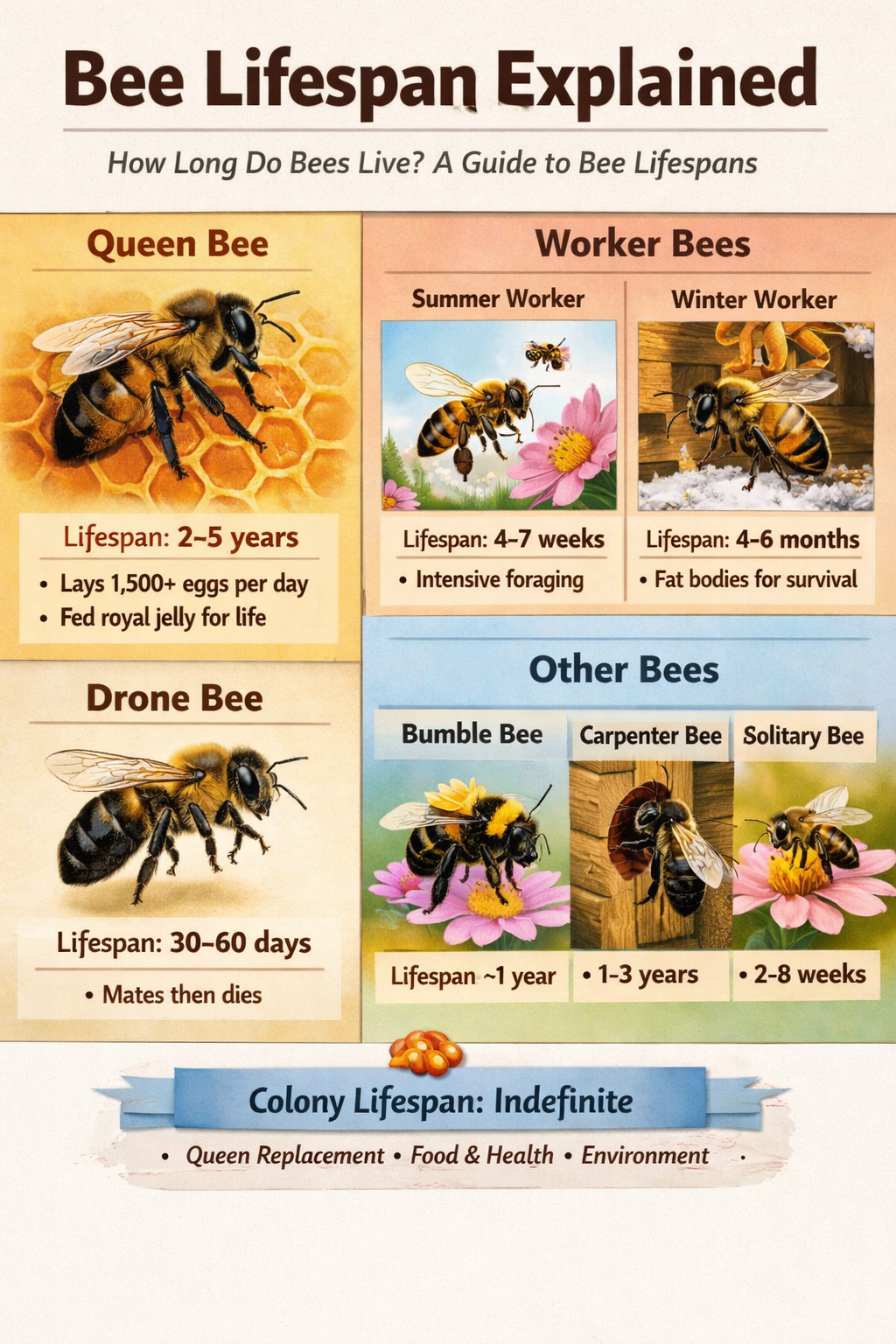
Bee Lifespan Comparison Table (Expert Reference)
| Bee Type / Role | Typical Lifespan | Why This Lifespan Exists |
|---|---|---|
| Worker bee (spring/summer) | 4–7 weeks | Constant foraging causes wing failure |
| Worker bee (fall/winter) | 4–6 months | Fat storage + low activity |
| Drone bee | 30–60 days | Mating-only function |
| Queen bee | 2–5 years | Royal jelly diet + protection |
| Bumble bee worker | 2–6 weeks | Annual colony cycle |
| Bumble bee queen | ~1 year | Overwintering strategy |
| Carpenter bee | 1–3 years | Solitary, low metabolic stress |
| Most solitary bees | Weeks–months | Seasonal reproduction |
Honey Bees (Apis mellifera)
Honey bees are the most studied bees because their lifespans are closely tied to colony health and productivity.
Queen Honey Bees
⏱ Lifespan: 2–5 years
Peak productivity: approximately 2–3 years
Queen bees live dramatically longer than other bees because:
-
They consume royal jelly throughout life
-
They do not forage or defend the hive
-
They experience almost no wing wear
-
They are constantly protected by workers
A strong queen can lay 1,500–2,000 eggs per day, often exceeding one million eggs over her lifetime.
From a beekeeping perspective, queens are usually replaced before death, once pheromone strength or brood quality declines.
Worker Honey Bees
⏱ Lifespan:
-
Spring & summer: 28–49 days (4–7 weeks)
-
Fall & winter: 120–180 days (4–6 months)
Worker bees perform every physically demanding task in the hive:
-
nursing larvae
-
building wax comb
-
guarding entrances
-
foraging for nectar and pollen
Summer workers die young because flight physically destroys their wings. After roughly 500–700 flights, wings tear and lose lift, making survival impossible.
Importantly, worker bees do not die of old age—they die of mechanical failure and exhaustion.
Drone Honey Bees (Male Bees)
⏱ Lifespan: 30–60 days (occasionally up to ~90 days if unmated)
Drones exist for one reason only: to mate with a queen.
-
They do not forage
-
They do not defend the hive
-
They die immediately after mating
-
Unmated drones are expelled in late summer or fall
This is a resource-conserving strategy that benefits colony survival.
Development Time: Before Lifespan Begins
A bee’s lifespan starts only after adulthood, but development time already differs by caste.
| Caste | Egg → Adult |
|---|---|
| Queen | ~16 days |
| Worker | ~21 days |
| Drone | ~24 days |
Rapid queen development is essential during swarming or queen replacement events.
Winter Bees: A Different Kind of Worker
Winter bees are physiologically distinct from summer workers.
They have:
-
enlarged fat bodies
-
elevated vitellogenin (a longevity-related protein)
-
reduced foraging behavior
-
improved immune resilience
These adaptations allow winter bees to survive several months, keeping the queen alive until spring brood rearing resumes.
This is not luck—it is a specialized survival adaptation.
Colony Lifespan vs Individual Lifespan
⏱ Individual bees: weeks to years
⏱ Colony lifespan: theoretically indefinite
A colony can survive indefinitely if:
-
queens are replaced successfully
-
food reserves are sufficient
-
parasites and diseases are controlled
-
environmental stress is minimized
Colonies collapse due to management failures, parasites, starvation, or toxins, not because bees naturally “age out.”
Other Bee Species Lifespans
Bumble Bees (Bombus spp.)
-
Workers: 2–6 weeks
-
Queens: 9–12 months
Bumble bee colonies last only one season. Only mated queens overwinter and start new colonies.
Carpenter Bees (Xylocopa spp.)
-
⏱ Lifespan: 1–3 years
Solitary nesting and reduced workload contribute to longer lifespan compared to worker honey bees.
Solitary & Wild Bees
-
Adult lifespan: 2–8 weeks
-
Many overwinter as larvae or pupae
-
Full life cycle often spans 8–12 months
Adult life is short but biologically sufficient for reproduction.
Key Factors That Determine Bee Lifespan
-
Biological role (caste)
-
Season and temperature
-
Nutrition quality
-
Flight distance and workload
-
Disease and parasites
-
Pesticide exposure
-
Genetic lineage
-
Predation risk
-
Hive stability
-
Beekeeping practices
Expert FAQ (People Also Ask)
Do worker bees die naturally?
No. Most die from wing failure and exhaustion.
Why do queens live so long?
They avoid physical labor and receive superior nutrition.
Can a hive survive without a queen?
Only temporarily; long-term survival requires queen replacement.
For more expert resources on beekeeping education, colony care, and protective gear, visit our beekeeping knowledge hub.
Final Expert Summary
Bee lifespan is shaped by function, not chance.
Workers are optimized for short, intense productivity; drones for reproduction; queens for longevity; and colonies for continuous renewal.
Understanding these lifespans is essential for both scientific accuracy and responsible beekeeping.
Scientific & Professional References
-
Seeley, T. D. (1985). Honeybee Ecology. Princeton University Press.
-
Winston, M. L. (1987). The Biology of the Honey Bee. Harvard University Press.
-
Amdam, G. V., & Omholt, S. W. (2002). Journal of Theoretical Biology, 216(2), 209–228.
-
Amdam, G. V., et al. (2004). PNAS, 101(31), 11350–11355.
-
USDA Agricultural Research Service – Honey Bee Biology
-
FAO Pollinator Health Resources
🐝 Introduction: Why Flowers Matter in Beekeeping
At BeBees, we believe that strong hives begin with healthy flowers. Every drop of honey, every pollen-filled comb, and every buzzing colony owes its strength to the right blooms around the hive.
Beekeeping isn’t only about tending hives — it’s also about creating a rich environment for bees to thrive. Planting the right flowers provides bees with the nectar and pollen they need for survival, honey production, and brood nourishment.
If you’re a new or seasoned beekeeper, here’s your complete BeBees guide to choosing the best flowers for honeybees, ensuring year-round bloom and balance in your beekeeping ecosystem.
🌻 What Makes a Flower “Bee-Friendly”?
Not all flowers are created equal in a bee’s world. Honeybees are selective foragers — here’s what they look for:
-
🌸 Single, open blossoms — easier for bees to reach nectar and pollen.
-
🎨 Colors like blue, yellow, and white — bees can’t see red well, but these shades catch their attention.
-
🌼 Nectar- and pollen-rich plants — the more continuous the bloom, the better.
-
🌿 Native species — they adapt easily and naturally attract local pollinators.
When you design your garden with these principles, you’re building a buzzing sanctuary for your bees.
🌼 For a Large Pollen and Nectar Supply
🌻 Sunflowers
Sunflowers are an iconic choice for beekeepers. Their broad faces are filled with pollen that supports brood growth.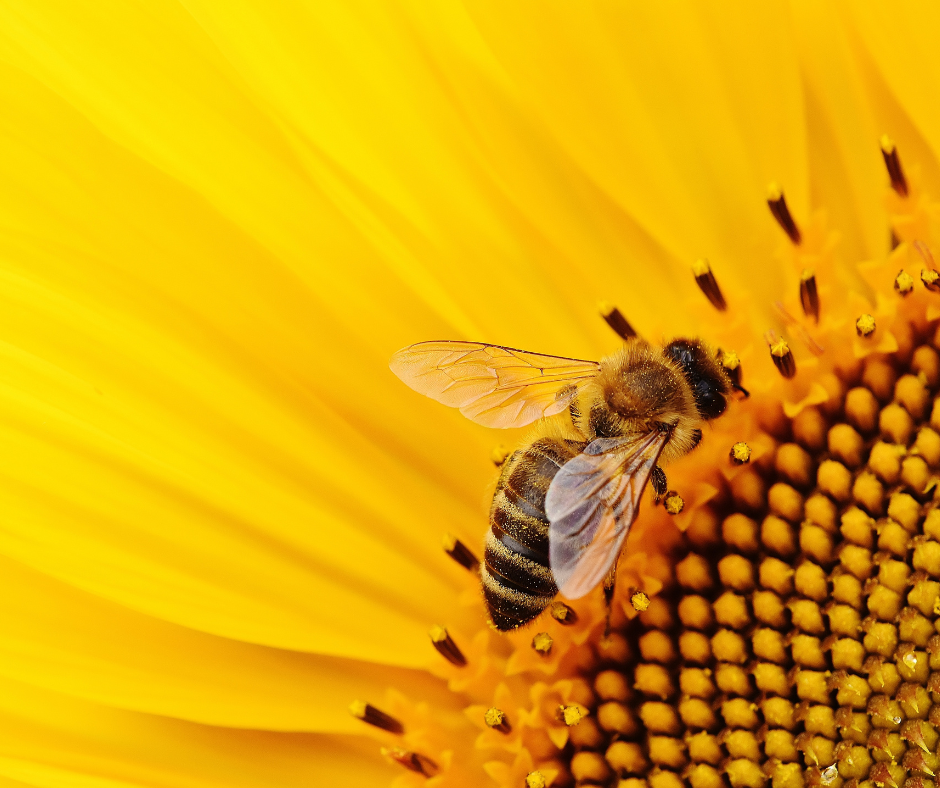
-
Pros: High pollen content, great for colony strength.
-
Cons: Avoid ornamental “pollenless” hybrids — choose traditional varieties instead.
💙 Borage
Known as the “bee magnet,” borage flowers bloom repeatedly, providing abundant nectar.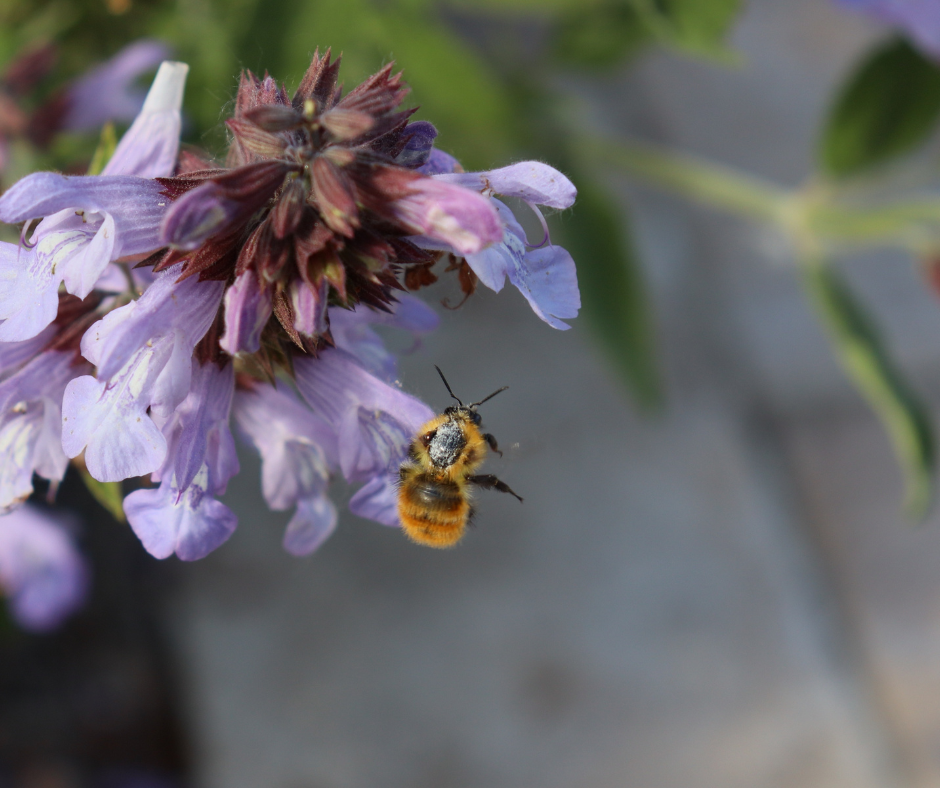
-
Pros: Continuous nectar flow and fast growth.
-
Cons: Can reseed easily, so trim regularly if space is limited.
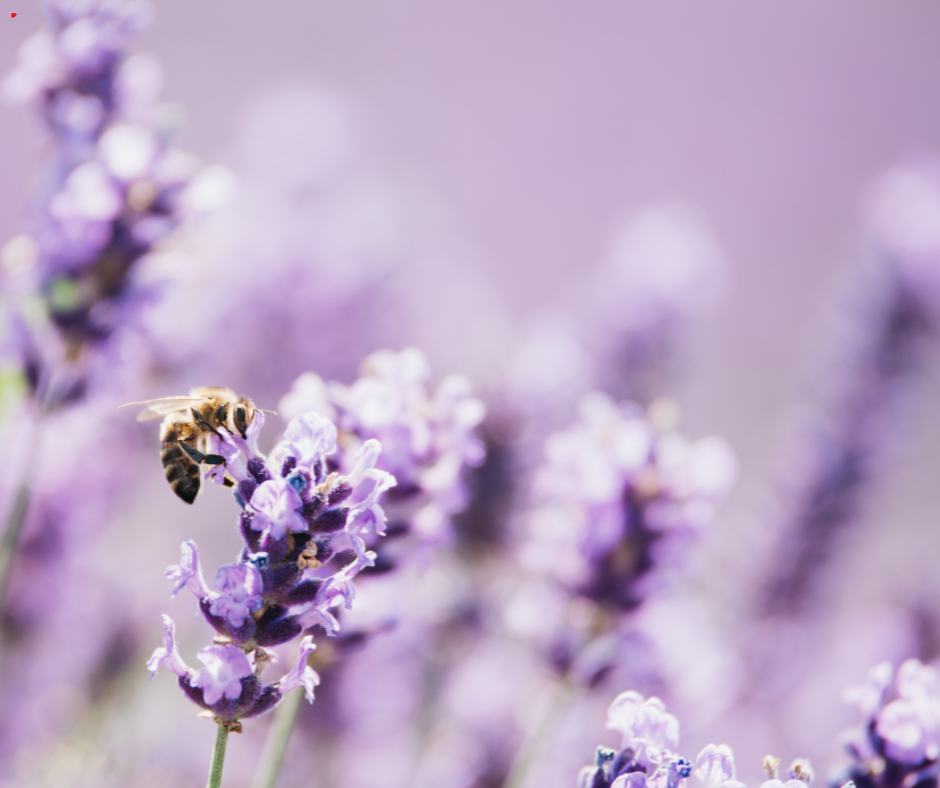
💜 Lavender
A timeless favorite, lavender combines beauty, fragrance, and function.
-
Pros: Offers both nectar and pollen, blooms all summer long.
-
Cons: Needs full sunlight and well-drained soil.
🌿 Anise Hyssop
With its sweet aroma and purple spikes, anise hyssop attracts bees in large numbers.
-
Pros: High nectar yield and great for pollinator gardens.
-
Cons: May spread if not pruned before seeding.
🌸 For Easy Accessibility and Variety
🌼 Coneflower (Echinacea)
Its disk-shaped blooms make nectar easy to access.
-
Pros: Long bloom period; hardy in most climates.
-
Cons: Can develop mildew in humid areas.
🌺 Cosmos
Light, airy, and beautiful — cosmos are simple yet powerful bee attractors.
-
Pros: Long flowering season; easy to grow from seed.
-
Cons: Some hybrid varieties are less durable.
🌈 Zinnia
Colorful, cheerful blooms that pollinators can’t resist.
-
Pros: Continuous summer blooms; variety of hues.
-
Cons: Prone to mildew without good air circulation.
🌹 Dahlia (Single-Bloom Varieties)
Dahlias bring vibrant color, but only single-bloom types offer nectar access.
-
Pros: Great range of colors and shapes.
-
Cons: Avoid double-bloom types; bees can’t reach their nectar.
🌷 For Year-Round or Early/Late-Season Forage
🌱 Crocus
An early spring favorite, providing one of the first food sources after winter.
-
Pros: Vital early pollen and nectar source.
-
Cons: Short blooming window — plant in clusters for best impact.
🌾 Winter Heath (Erica carnea)
Blooms in the cold months when bees need energy the most.
-
Pros: Early nourishment for emerging foragers.
-
Cons: Prefers acidic, well-drained soil.
💜 Asters
Asters shine late in the season, fueling bees before winter.
-
Pros: Late-season nectar source.
-
Cons: Some types are mildew-prone; choose resistant varieties.
🔥 Blanketflower (Gaillardia)
Hardy, heat-tolerant, and long-blooming — perfect for bee gardens.
-
Pros: Blooms from early summer to fall; drought-resistant.
-
Cons: Some varieties are short-lived perennials.
🌿 Herbs That Bees Love
Your herb garden can double as a bee buffet!
-
Bee Balm (Monarda): High nectar yield and stunning color.
-
Oregano: Tiny blossoms rich with aroma and nectar.
-
Basil: Let some stalks flower — bees adore them.
-
Thyme & Rosemary: Perfect for early-season nectar support.
These herbs not only attract bees but also make your garden smell divine.
🌻 Smart Planting Tips for Beekeepers
-
🌼 Plant in clusters: Bees prefer larger patches over scattered plants.
-
🌸 Stagger bloom times: Ensure flowers are available spring through fall.
-
🚫 Avoid pesticides: Even “bee-safe” ones can harm larvae.
-
🌿 Mix perennials & annuals: Combine reliability with seasonal variety.
-
🌎 Grow native: Local plants adapt better and offer familiar forage to bees.
🌼 Seasonal Planting Chart for Beekeepers
| Season | Key Flowers | Benefit for Bees |
|---|---|---|
| Early Spring | Crocus, Winter Heath | Early pollen & nectar supply |
| Spring | Lavender, Borage, Foxglove | Boosts colony growth |
| Summer | Sunflowers, Cosmos, Bee Balm, Zinnia | Peak nectar flow for honey production |
| Late Summer/Fall | Aster, Goldenrod, Blanketflower | Pre-winter energy reserves |
💛 Protect Yourself While Supporting Your Bees
While planting and tending to your garden, remember — protection matters for both bees and beekeepers.
At BeBees, we design premium protective beekeeping gear — from lightweight bee suits and ventilated jackets to comfortable bee gloves and veils — so you can work safely and confidently around your hives.
🐝 About BeBees
BeBees is a small business serving beekeepers around the world with custom-made protective clothing. Our mission is simple: to keep you and your bees safe, happy, and thriving — whether you’re harvesting honey or planting pollinator-friendly gardens.
Together, let’s build a world where bees buzz freely, flowers bloom endlessly, and beekeepers stay protected.
Introduction
Honey is far more than a natural sweetener. For humans, it’s a golden superfood used in teas, baking, and traditional remedies. For bees, it’s the key to their survival — a carefully crafted food source that sustains the colony through winter, rainy days, and times when flowers are not in bloom.
The way bees make honey is nothing short of remarkable. It combines complex biology, the discipline of thousands of worker bees, and the architectural brilliance of honeycombs. From a single drop of nectar to a jar of golden honey, the journey is filled with fascinating steps that showcase the cooperation and ingenuity of honeybees.
Let’s explore this process step by step.
How Do Bees Make Honey? (Quick Answer)
Honey is a natural sweet food created by bees from flower nectar. The transformation is simple to outline but extraordinary in execution.
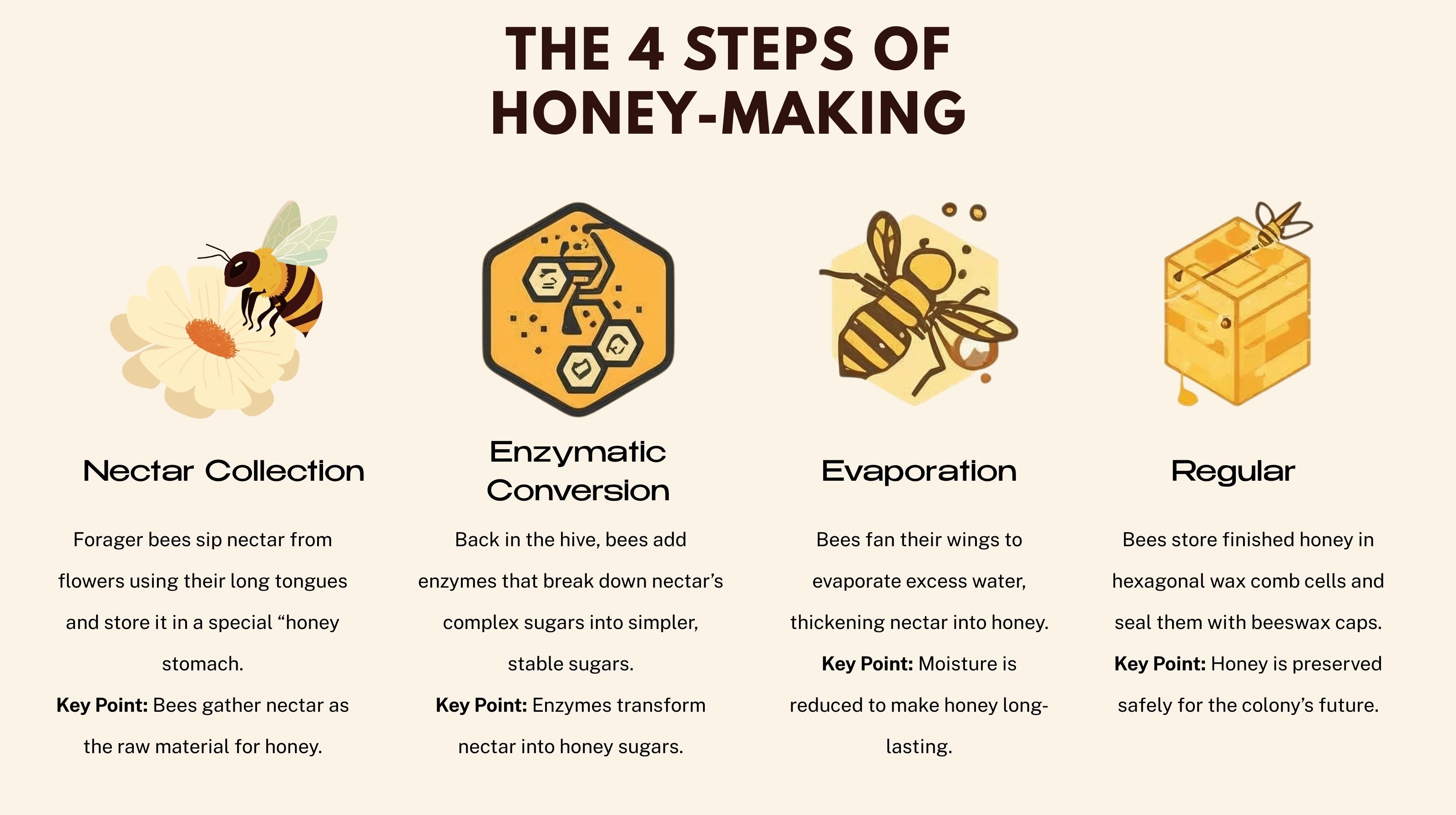
The main stages include:
-
Nectar Collection: Forager bees gather nectar using their long tongues and store it in a special “honey stomach.”
-
Enzymatic Conversion: Inside the hive, bees add enzymes that break down nectar’s complex sugars into simpler ones.
-
Evaporation: Worker bees fan the nectar with their wings to reduce water content, thickening it into honey.
-
Storage in Honeycombs: Finished honey is placed into hexagonal wax cells and sealed with beeswax for protection.
👉 In short: bees transform fragile flower nectar into a concentrated, long-lasting food source that never spoils — ensuring the colony’s survival.
Bee Roles in Honey Production 🐝
The hive is like a well-run city, and honey making is possible because every bee has a job:
-
The Queen Bee 👑: She is the hive’s mother, laying up to 2,000 eggs a day to ensure a strong workforce. While she doesn’t make honey herself, her role in reproduction is essential for keeping the colony large enough to gather nectar and produce honey.
-
Worker Bees: Female bees that live for about six weeks in summer. They are the hive’s multitaskers — cleaning cells, feeding larvae, guarding the entrance, foraging, and, most importantly, turning nectar into honey.
-
Forager Bees: A special group of workers, usually over 21 days old, that leave the hive to collect nectar and pollen. They can fly up to 5 miles, visiting hundreds of flowers on a single trip.
-
Drones: Male bees whose only purpose is mating with the queen. They do not collect nectar or help make honey.
This division of labor allows the hive to function with military-like precision, ensuring that nectar gathered outside is quickly processed inside.
Nectar Collection 🌸
The honey-making process begins when forager bees take to the skies:
-
Finding Flowers: Bees are drawn to blossoms with strong scents and bright colors, especially blue, purple, and yellow. Plants like clover, lavender, and sunflowers are especially attractive because they produce abundant nectar.
-
Gathering Nectar: Using their long, straw-like tongues (proboscis), bees sip nectar from the base of flowers. Nectar is about 70–80% water and contains natural sugars like sucrose.
-
Honey Stomach Storage: The nectar is stored in the bee’s honey stomach, a separate organ from its digestive stomach. This allows bees to carry nectar back to the hive without digesting it.
-
Sharing the Location: Back at the hive, bees perform the famous waggle dance, a figure-eight movement that tells other bees the distance and direction of the best nectar sources.
The type of flowers visited greatly influences the final honey’s taste, color, and even aroma.
Conversion from Nectar to Honey 🔬
When the forager returns, she passes nectar to house bees through a process called trophallaxis (mouth-to-mouth exchange). From here, the transformation begins:
-
Enzyme Action:
House bees chew the nectar and add enzymes like invertase, which split sucrose (a complex sugar) into glucose and fructose (simpler sugars). This not only makes honey more digestible but also less prone to bacteria and spoilage.
Another enzyme, glucose oxidase, produces tiny amounts of hydrogen peroxide, which gives honey its natural antibacterial qualities. -
Moisture Reduction:
Nectar is too watery to store safely. To prevent fermentation, bees spread the nectar in thin layers across honeycomb cells. They then fan their wings vigorously, creating airflow that reduces the nectar’s water content from about 70% to under 20%.
This two-step process turns fragile nectar into thick, golden honey — stable enough to last indefinitely.
Honey Storage in Honeycomb Cells 🍯
Once the nectar has thickened into honey, bees carefully store it in the comb:
-
Hexagonal Efficiency: Honeycombs are made from wax secreted by worker bees. The hexagon shape is mathematically efficient — it holds maximum honey while using the least amount of wax.
-
Capping with Beeswax: When a cell is full, bees cap it with a thin layer of wax. This airtight seal prevents moisture from entering and keeps honey safe for months or even years.
-
Nature’s Perfect Jar: Archaeologists have found edible honey in ancient Egyptian tombs — proof of its natural preservation.
Importance of Honey to the Hive 🐝❤️
Honey is not produced for humans — it’s the colony’s lifeline:
-
Winter Food: In cold months when flowers are absent, bees survive entirely on stored honey.
-
Feeding Larvae: Honey mixed with pollen forms “bee bread,” which nourishes baby bees.
-
Energy Reserve: Worker bees burn vast amounts of energy flying and regulating hive temperature. Honey fuels these efforts.
Without sufficient honey reserves, a colony cannot survive winter or periods of drought.
Interesting Facts and Common Myths 🌟
-
A single bee produces just 1/12 teaspoon of honey in her lifetime.
-
To make one pound of honey, bees must visit around 2 million flowers.
-
Honey naturally has a low pH (~3.9) and very little moisture, making it resistant to bacteria and spoilage.
-
Myth: Honey is made from pollen.
Fact: Honey comes from nectar. Pollen is used as protein food for young bees. -
Honey color varies widely: light clover honey tastes mild, while dark buckwheat honey is strong and bold.
-
Crystallization is normal — honey simply solidifies when glucose forms crystals. It remains safe to eat.
For more fascinating insights, check out our BeBees Honey Facts section
Practical Beekeeping Tips for Beginners 🧑🌾
If you’re considering beekeeping, here are practical honey-related tips:
-
Leave Enough for Bees: Never take all the honey. A hive typically needs 60–80 pounds to survive winter.
-
Harvest Only Capped Honey: Uncapped honey has too much water and may ferment.
-
Inspect Regularly: Check for pests like varroa mites, wax moths, or hive beetles.
-
Use Smoke Gently: Smoke calms bees during harvest, making extraction easier and safer.
-
Provide Clean Water: Bees need water to dilute honey for larvae and to cool the hive in hot weather.
-
Plant Nectar-Rich Flowers: Growing clover, wildflowers, and herbs boosts nectar supply and honey yield.
Frequently Asked Questions (FAQs)
How much honey can a hive produce in a year?
A healthy hive typically produces 30–60 pounds of surplus honey per year. Strong colonies in rich nectar areas may produce up to 100 pounds.
Do bees use pollen to make honey?
No. Honey comes from nectar. Pollen is used as protein food, especially for larvae.
Does honey expire?
No. Due to its low water content and natural acidity, pure honey can last indefinitely.
What’s the difference between worker bees and the queen?
Worker bees forage, process nectar, and make honey. The queen’s main role is reproduction — laying eggs to keep the colony strong.
What happens if bees are fed sugar water?
Sugar water can help bees survive food shortages but lacks nectar’s nutrients. Ethical beekeepers avoid harvesting sugar-fed honey.
Are bees harmed during honey harvesting?
Not if done responsibly. Modern methods allow beekeepers to extract honey without harming bees.
Why does honey crystallize?
Honey naturally crystallizes as glucose solidifies. This doesn’t mean it’s spoiled. Warm the jar gently to liquefy it again.
Are all honeys the same color?
No. The color and taste depend on the nectar source, ranging from pale golden to dark amber.
Conclusion 🌼
From nectar-laden flowers to beeswax-sealed combs, honey production is one of nature’s most remarkable processes. Bees work tirelessly — gathering nectar, breaking it down with enzymes, fanning it into honey, and storing it safely — all to ensure their colony survives.
Every spoonful of honey is the result of teamwork, millions of flower visits, and the brilliance of bee biology.
👉 Want to dive deeper into the world of bees and honey? Subscribe to our newsletter for beginner beekeeping tips, honey facts, and practical insights into the lives of these amazing pollinators.
And don’t forget — protect your buzzing friends with premium BeBees beekeeping suits and gear designed for safety, comfort, and durability.
A Comprehensive Guide for New and Aspiring Beekeepers
“The keeping of bees is like the direction of sunbeams.”
— Henry David Thoreau
Beekeeping has transitioned from a niche hobby to a global movement, driven by increasing awareness of sustainability, urban agriculture, and the crucial role of pollinators in our ecosystem. With the global beekeeping market projected to reach USD 15.3 billion by 2028, more individuals are embracing apiculture. However, despite the wealth of information and technological advancements available, novice beekeepers often encounter challenges that can jeopardize their hives.
This guide explores the top five mistakes that beginner beekeepers continue to make in 2025, elucidating why they occur and offering science-backed solutions and practical tools to avoid them.
🚫 Mistake #1: Ignoring Hive Monitoring Technology
📉 The Problem:
Many beginners rely solely on manual inspections, overlooking the benefits of digital tools that monitor internal hive conditions such as temperature, humidity, and weight.
💡 Why It Still Happens:
There's a lingering perception that technology is reserved for commercial or advanced beekeepers. Additionally, concerns about cost and complexity deter some from adopting these tools. However, modern hive monitoring devices are now more affordable and user-friendly than ever before.
🧪 The Science:
A 2023 study published in Computers and Electronics in Agriculture found that smart hives equipped with weight and temperature sensors had 33% higher winter survival rates. These tools enabled early detection of issues like brood loss, nectar shortages, or swarming tendencies.
🛠️ 2025 Solutions:
-
BroodMinder and Arnia: Offer real-time monitoring of hive temperature, humidity, and weight.
-
Thermal Imaging Cameras (e.g., FLIR ONE): Detect brood presence without opening the hive, minimizing disturbances.
-
Acoustic Monitors: Analyze bee vibration patterns to identify signs of queenlessness or impending swarming.
✅ Tip:
Start with basic tools like a hive scale and temperature sensor to receive early warnings of environmental stress or food shortages. Gradually integrate more advanced monitoring systems as you become more comfortable.
🐜 Mistake #2: Underestimating the Varroa Mite Threat
📉 The Problem:
New beekeepers often underestimate or overlook Varroa destructor, the most dangerous pest affecting honey bees globally.
💡 Why It Still Happens:
Some adopt "treatment-free" philosophies prematurely, misunderstanding the balance between natural beekeeping and responsible colony health management. Others may lack awareness of the severity of Varroa infestations.
🧪 The Science:
The University of Maryland’s Bee Lab consistently ranks Varroa as the leading cause of colony collapse, with over 45% of U.S. hives lost annually, primarily due to unmanaged mite loads. Mites weaken bees and spread lethal viruses such as Deformed Wing Virus (DWV) and Acute Bee Paralysis Virus (ABPV).
🛠️ 2025 Solutions:
-
Integrated Pest Management (IPM): Employ a combination of methods to control mite populations and prevent resistance.
-
Regular Monitoring: Use alcohol wash or sugar roll techniques every 30–45 days during active seasons to assess mite levels.
-
Natural Treatments:
-
Oxalic Acid Vaporization: Effective during broodless periods.
-
Formic Pro (Formic Acid): Penetrates capped brood cells to target mites.
-
Thymol-based Products (e.g., Apiguard): Utilize essential oils to combat mites.
-
✅ Tip:
Utilize apps like Apiary Book or BeeTrack to track your treatment schedules and monitor national trends through the Bee Informed Partnership’s annual survey. Staying informed helps in making timely and effective decisions.
🛡️ Gear Up: Regular mite monitoring and treatments can expose you to aggressive hive behavior. Protect yourself during inspections with full-coverage beekeeping suits and vented jackets from BeBees—engineered for comfort, tested by pros.
🌬️ Mistake #3: Neglecting Hive Ventilation and Moisture Control
📉 The Problem:
New beekeepers often focus on temperature regulation but neglect moisture control. Poor ventilation can lead to condensation, mold, and chilled brood, especially during late fall or spring.
💡 Why It Still Happens:
Ventilation issues are less visible than pests or food shortages, leading many beginners to overlook them. Additionally, generic hive setups may not account for local climate variations.
🧪 The Science:
Moisture inside the hive, particularly during winter, can condense on the inner cover and drip onto the bees, causing hypothermia, moldy comb, and weakened colonies.
🛠️ 2025 Solutions:
-
Moisture Quilts or Absorptive Inner Covers: Utilize materials like burlap with wood shavings to absorb excess moisture.
-
Upper Entrances: Facilitate the escape of moisture-laden air.
-
Breathable Insulation Wraps: Use materials that prevent dampness while retaining warmth.
-
Ventilated Bottom Boards: Especially beneficial in humid or rainy regions to enhance airflow.
✅ Tip:
Customize your hive's ventilation based on your region’s humidity and temperature profile. For instance, hives in the Pacific Northwest require more moisture control compared to those in arid regions.
🛡️ Helpful Hint: Wet, cold hives often mean grumpier bees. Stay confident during your winter checks by wearing moisture-resistant and insulated beekeeper apparel from BeBees, helping you work longer and safer—even in damp conditions
🍯 Mistake #4: Overfeeding or Underfeeding at the Wrong Time
📉 The Problem:
Feeding sugar syrup too late in the season, or not at all during nectar dearths, can lead to fermentation inside the hive, digestive stress for the bees, and potential starvation or poor winter build-up.
💡 Why It Still Happens:
Beginners may follow generalized advice without adjusting to local foraging conditions or bloom cycles, leading to inappropriate feeding practices.
🧪 The Science:
According to Apidologie, late-season syrup feeding in cool temperatures often ferments due to increased yeast activity, leading to colony dysbiosis.
🛠️ 2025 Solutions:
-
Spring Feeding: Use a 1:1 sugar syrup ratio to stimulate brood production.
-
Fall Feeding: Employ a 2:1 sugar syrup ratio to encourage honey storage.
-
Summer Dearths: Provide protein patties and probiotic blends (e.g., HiveAlive, SuperDFM) to support bee health.
-
Monitoring Tools: Use hive scales to detect changes in nectar flow and track regional bloom times with tools like BeeCast or local cooperative extensions.
✅ Tip:
Always remove unused syrup before cold nights to prevent fermentation. If bees are not consuming the syrup quickly, consider switching to protein patties or dry sugar alternatives.
👕 Did You Know? Clean and scent-free suits reduce hive disturbance during feeding and inspections. Beekeepers love BeBees suits for their minimalistic design, reduced odor retention, and easy maintenance.
👀 Mistake #5: Over-Inspecting and Disturbing the Hive
📉 The Problem:
New beekeepers often open their hives too frequently, disrupting the bees’ microclimate and potentially stressing the queen.
💡 Why It Still Happens:
Beginners are curious or anxious, leading them to inspect hives more often than necessary. However, each inspection can set back the hive’s internal temperature and rhythm.
🧪 The Science:
The University of Guelph reports that frequent inspections can lower hive temperature by 3–7°C, which may harm developing brood or trigger queen replacement.
🛠️ 2025 Solutions:
-
Inspection Frequency: Limit inspections to every 7–10 days during spring and summer.
-
Inspection Checklist: Focus on brood pattern, queen presence, food stores, and mite levels.
-
Non-Invasive Monitoring: Utilize remote sensors and observation boards to minimize disturbances.
-
Record Keeping: Log each inspection with tools like HiveTracks to avoid redundancy and track hive health over time.
✅ Tip:
Schedule inspections between 10 AM and 2 PM on calm, sunny days when foragers are out, reducing hive congestion and stress during the inspection.
🐝 Bonus: How to Become a Smarter Beekeeper in 2025
-
Join Beekeeping Communities: Engage with local or online beekeeping clubs to share experiences and gain insights.
-
Pursue Education: Enroll in courses offered by universities or vetted experts, such as Cornell’s Master Beekeeping Program.
-
Stay Informed: Regularly read scientific journals like Bee World, Apidologie, or The American Bee Journal to keep up with the latest research.
-
Adapt to Regional Differences: Understand that beekeeping practices vary by region; what works in one area may not be effective in another.
📚 References
-
Fortune Business Insights (2023). Beekeeping Market Analysis Report.
-
Tosi, S., et al. (2023). Smart Hives and Bee Health Monitoring. Computers and Electronics in Agriculture.
-
Rosenkranz, P., et al. (2010). Biology and Control of Varroa destructor. Journal of Invertebrate Pathology.
-
University of Maryland Bee Lab (2023). Colony Loss and Management Survey.
-
Bee Informed Partnership (2024). https://beeinformed.org
-
National Honey Board (2024). Best Wintering Practices for Backyard Beekeepers.
-
Apidologie (2023). Effects of Fermented Feed on Honeybee Gut Health.
-
Winston, M.L. (1991). The Biology of the Honey Bee. Harvard University Press.
📝 Final Thoughts
Beekeeping in 2025 is more accessible than ever, but it still requires diligence and continuous learning. By avoiding these five critical mistakes and implementing the recommended practices, you can ensure the health and productivity of your hives. Remember, successful beekeeping is not just about managing bees; it's about becoming a steward of one of Earth's most vital species.
Beekeeping is a dynamic practice that requires a deep understanding of your colony’s needs throughout the year. Whether you're a seasoned beekeeper or just starting out, knowing how to care for your bees during each season is essential for ensuring a healthy, productive hive. Seasonal beekeeping is not only about managing your bees’ food and health, but also about preparing your colony for challenges that each time of year presents.
Here’s a detailed, expert-level guide to help you navigate beekeeping through spring, summer, fall, and winter.
Spring: The Season of Rejuvenation and Expansion
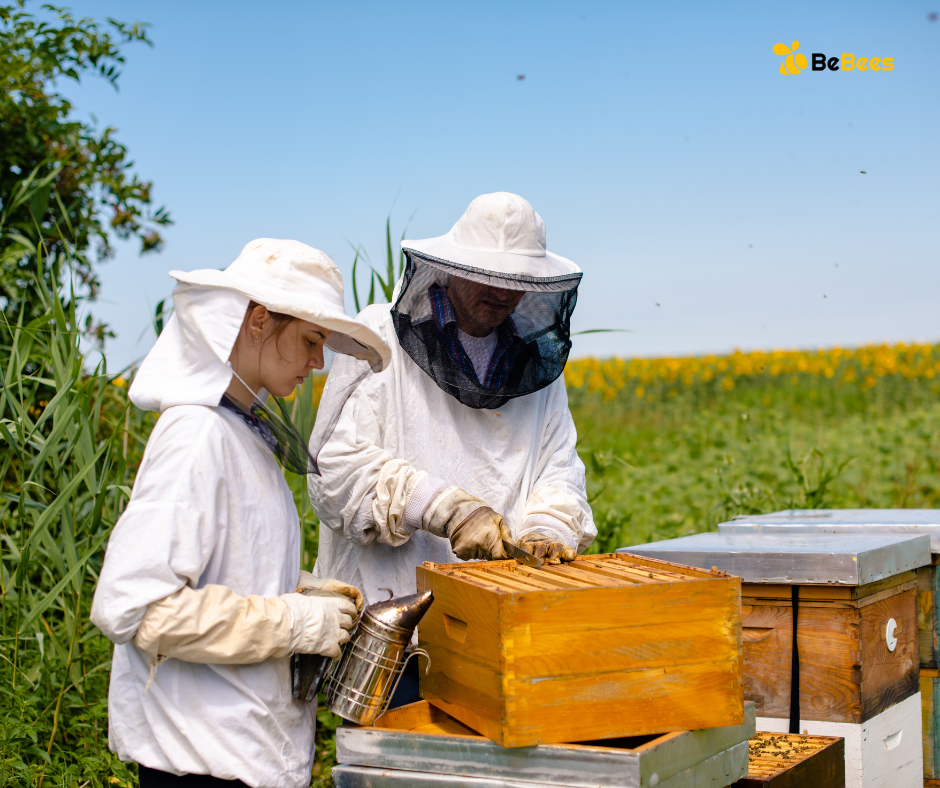
Spring is the time when your hive comes back to life after the winter, and it’s the most critical period for setting the foundation for a productive year. Bees are actively foraging, building their colony, and laying eggs. As a beekeeper, your focus should be on ensuring the hive grows rapidly and remains healthy.
1. Hive Inspections
In early spring, inspect your hives thoroughly to assess their condition. Check for any signs of winter damage, such as mold or dead bees, and ensure that the colony has enough food. Spring inspections should focus on confirming that the queen is alive and laying eggs. If the queen is absent or the hive is queenless, you must act quickly to requeen the colony.
2. Feeding and Supplementing
If the bees have consumed their winter stores or the nectar flow is still weak, you should feed the bees with a 1:1 sugar syrup to stimulate brood production. You can also provide pollen patties to supplement the protein needed for brood rearing, especially if natural pollen sources are scarce.
3. Expand the Hive
As the colony grows, you’ll need to expand the hive to prevent overcrowding. Add brood boxes and frames to provide sufficient space for both the queen and the workers to store honey and raise brood. This is also a good time to start preparing the hive for the upcoming honey flow.
4. Prevent Swarming
Swarming is a natural behavior in spring as the colony expands and feels the need to split. Monitor for early signs of swarming, such as the presence of queen cups and excessive drone brood. Prevent swarming by managing space, splitting the hive if necessary, and making sure the queen has room to lay eggs.
5. Check for Disease and Pests
Spring is the time when your bees are most vulnerable to disease and pests, including varroa mites and nosema. Regularly check for signs of pests and diseases, and treat them promptly using organic or chemical treatments where necessary. You can use integrated pest management (IPM) techniques to minimize the use of harsh chemicals.
Summer: Optimizing Honey Production and Hive Health
Summer is a time of peak productivity for your colony. The bees will be actively foraging, storing nectar, and producing honey. However, this season also brings some challenges, including the threat of pests, disease, and the need for space management.
1. Regular Inspections
In summer, perform regular hive inspections to monitor the health of the colony, check for signs of disease, and ensure that the queen is continuing to lay eggs. Look for healthy brood patterns and the presence of sufficient honey stores. If the colony is healthy, you can begin preparing for honey extraction.
2. Honey Harvesting
By mid-summer, your hive should be filling with honey. Harvest honey only when the honeycomb is fully capped and the moisture content is below 18%. It’s critical to harvest honey at the right time to ensure that the bees don’t consume it during the rest of the summer or the fall, leaving them with enough reserves for winter.
3. Dealing with Pests and Diseases
Pests like wax moths, small hive beetles, and varroa mites are common in summer. Conduct regular checks to ensure pests are not out of control. Varroa mite treatments should be done during the summer before the honey harvest to minimize contamination risks. Consider using natural treatments like essential oils or oxalic acid for mite control.
4. Adding More Space
As the colony expands and the nectar flow continues, add supers to allow the bees to store more honey. If the colony is active and productive, ensure that you add enough space to avoid overcrowding, which can lead to swarming.
5. Ventilation
During hot summer days, beekeepers must ensure that hives have proper ventilation to avoid heat stress. If your area experiences prolonged heatwaves, you may need to adjust the hive entrances or add ventilation boards to help regulate the temperature inside the hive. Bees need a steady temperature to maintain the health of the colony, so avoid overcrowding the hive.
Fall: Preparing for Winter and Honey Storage
As temperatures begin to drop, your focus shifts to winter preparations. Fall is about ensuring that your bees have enough food and protection to survive the winter months, as well as finalizing your honey harvest.
1. Final Honey Harvest
Make sure to harvest any remaining honey before the weather turns colder. This is the last opportunity to collect honey before the bees need it for themselves. After harvesting, leave at least 60-90 pounds of honey for the bees to sustain them through winter.
2. Feeding the Bees
If the colony is low on food, it’s crucial to feed the bees with a 2:1 sugar syrup (thicker syrup) to ensure they have enough stores for winter. Provide pollen patties if natural pollen sources are scarce. Ensure feeding stops well before winter sets in, as the syrup should be converted into honey.
3. Disease and Pest Management
Fall is the final opportunity to treat for varroa mites, as mite populations can quickly explode if left unchecked. Screen for diseases like American Foulbrood (AFB) and Nosema. Treatment at this stage ensures that your bees enter winter healthy and strong.
4. Reduce Hive Entrance
As temperatures cool, reduce the entrance size to help protect the hive from predators and reduce the likelihood of robbing by other colonies. A smaller entrance helps the bees conserve heat and defend the hive more effectively.
5. Winterizing the Hive
Ensure that the hive is insulated properly for the winter months. Use hive wraps or Styrofoam insulation to protect the bees from extreme cold and moisture. Check the ventilation to make sure that moisture can escape, as dampness inside the hive can lead to mold or other issues. Add a candy board or fondant for emergency feeding in case food supplies run low during the winter.
Winter: Maintaining Hive Integrity and Minimizing Disturbance
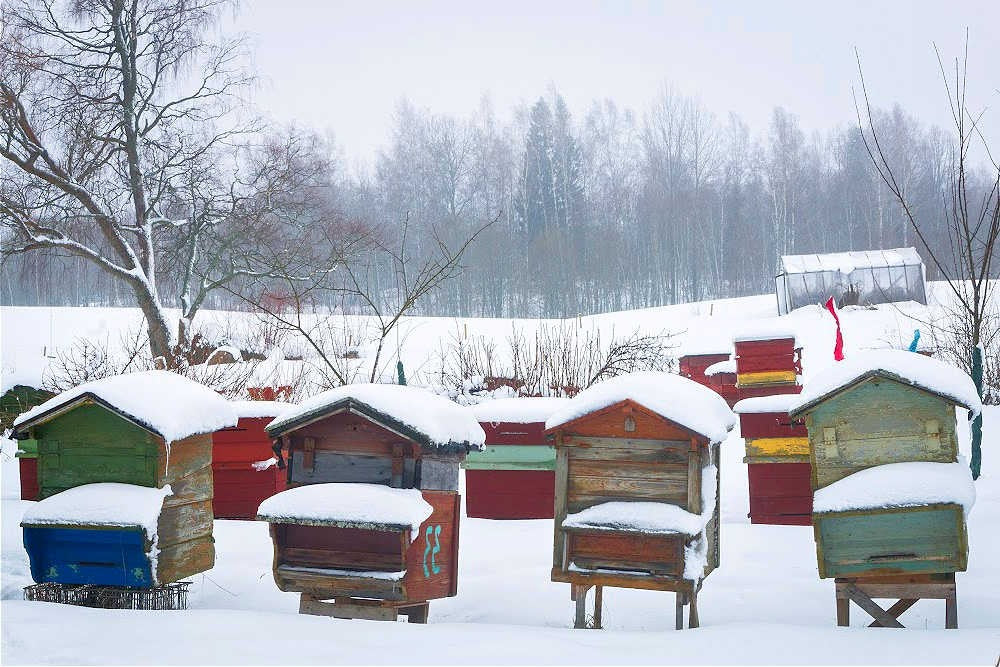
Winter is a time of dormancy for the colony, but it’s still critical to monitor their well-being. Your job is to minimize disturbances while ensuring that the hive remains safe, dry, and well-stocked with food.
1. Minimize Hive Opening
Avoid opening the hive during winter unless absolutely necessary. Bees cluster together for warmth, and disturbing the hive can expose them to temperature fluctuations that may harm the colony. Only inspect the hive if you suspect problems, such as a lack of food or signs of disease.
2. Monitor Food Stores
Ensure that your bees have adequate honey stores. If necessary, feed them with sugar candy or fondant to supplement their stores. If your bees run out of food in the middle of winter, they may starve, which is why having a secondary food supply is critical.
3. Prevent Moisture Build-Up
Moisture is a leading cause of winter colony loss. Ensure that your hive has proper ventilation to allow moisture to escape. Use moisture boards or ventilation holes to facilitate airflow without letting in cold drafts.
4. Wind Protection
Strong winds can cause a significant drop in temperature inside the hive. Shield the hive with a windbreak or insulating material to protect the colony from freezing. Be mindful of heavy snow accumulation and ensure the hive entrance is clear of obstructions.
5. Plan for Spring
Winter is the time to plan for the upcoming season. Clean and prepare equipment, order necessary beekeeping supplies etc Beekeeper Honey Suits, and research any new beekeeping techniques or treatments. Stay ahead of the curve so that you’re ready when the bees begin to stir in early spring.
Conclusion
Each season in beekeeping presents its own unique set of challenges and rewards. Understanding how to care for your bees through spring, summer, fall, and winter is key to successful hive management. Whether you’re expanding the colony in spring, harvesting honey in summer, preparing for winter in fall, or ensuring the hive remains undisturbed in winter, seasonal adjustments are essential for maintaining a healthy and productive apiary. By applying expert-level care year-round, you can ensure the long-term success and sustainability of your beekeeping venture.
Beekeeping is a fascinating and rewarding activity, but it requires proper protective gear to keep you safe from stings while ensuring comfort during those long hours working with hives. A ventilated bee suit is an essential piece of equipment that combines safety with breathability, making beekeeping a more comfortable experience, especially during warmer months. In this detailed guide, we'll explore everything you need to know about ventilated bee suits, from their design and benefits to choosing the right one for your needs.
What Is a Ventilated Bee Suit?
A ventilated bee suit is a specialized protective garment designed to keep beekeepers safe from bee stings while allowing airflow to keep them cool. Unlike traditional bee suits, which are made from solid cotton or polyester fabric, ventilated bee suits incorporate layers of breathable mesh. This unique design creates an air barrier that prevents bee stingers from reaching the skin while promoting airflow, making them ideal for hot weather beekeeping.
Why Use a Ventilated Bee Suit?
- Stay Cool During Beekeeping Activities: Ventilated bee suits are designed with multiple layers of mesh, allowing air to circulate and keep you cool. This is particularly beneficial in hot climates where regular bee suits can feel stifling.
- Enhanced Comfort for Longer Sessions: When inspecting hives for extended periods, comfort is key. The breathable design of a ventilated suit reduces sweating and allows you to focus on your bees without constantly needing breaks.
- Maintains Protection: Despite being lightweight and breathable, ventilated bee suits still provide excellent protection from bee stings. The layers of mesh create a gap between you and the bees, preventing them from reaching your skin even when they try to sting.
How Does a Ventilated Bee Suit Work?
Ventilated bee suits are constructed with three main layers:
- Outer Layer: This is made of tough mesh material that keeps bees from penetrating through to the inner layers.
- Middle Layer: A thicker mesh or foam that creates an air gap, which helps keep bees at bay while allowing cool air to flow through.
- Inner Layer: A softer mesh that rests against the body, offering comfort and additional breathability.
This design keeps the beekeeper cool while maintaining the necessary protection against stings, making the suit a perfect choice for those hot summer days.

Comparing Ventilated and Traditional Bee Suits
Research comparing ventilated and traditional bee suits has found several key differences:
- Ventilation Impact: A study measuring the internal temperature of bee suits found that ventilated suits could be up to 5-10°F cooler than non-ventilated suits during beekeeping activities. This makes them particularly useful for beekeepers who spend extended periods working in hives during summer.
- Weight Considerations: Traditional suits tend to be lighter due to their simpler construction. However, the benefits of reduced heat stress in ventilated suits often outweigh the slight increase in weight. Beekeepers who prioritize comfort may find the added weight of a ventilated suit worth the trade-off for staying cool.
- Cost-Benefit Analysis: While ventilated bee suits are generally more expensive than their traditional counterparts, their longevity and the comfort they offer during extended use often justify the higher initial investment. A survey of beekeepers indicated that 70% preferred ventilated suits in warm climates despite the higher cost.
Top Features to Look for in a Ventilated Bee Suit
Choosing the right ventilated bee suit can make a big difference in your beekeeping experience. Here are some features to consider:
- Quality Mesh Fabric: Look for durable, high-density mesh that can withstand frequent use while maintaining breathability.
- Secure Zippers: Heavy-duty zippers ensure that the suit stays securely fastened, reducing the risk of bees finding their way inside.
- Elastic Seals: Well-fitted elastic cuffs at the wrists, ankles, and waist help to prevent bees from sneaking into the suit.
- Pockets and Storage: Additional pockets can be handy for keeping tools like hive tools or a smoker while working.
- Detachable Veil: A veil that can be detached makes cleaning and storing your suit easier, and it allows you to customize the head protection.
Safety and Durability of Ventilated Bee Suits
Ventilated bee suits not only offer comfort but also ensure safety and durability, making them a reliable choice for beekeepers over the long term.
- Long-Term Use: Ventilated bee suits are designed to withstand frequent use over multiple beekeeping seasons. Research on the durability of beekeeping gear suggests that with proper care, ventilated suits can last 3-5 years. Regular maintenance, such as washing and inspecting for damage, can extend the lifespan of your suit.
- Protection in Aggressive Hives: Some studies on bee behavior and beekeeping safety suggest that ventilated suits provide adequate protection even in situations with highly aggressive bees. The thick mesh layers help to absorb the impact of bee stingers, reducing the likelihood of penetration. This makes them suitable for both hobbyist beekeepers and those managing larger, more defensive hives.
How to Choose the Right Ventilated Bee Suit
Selecting the best ventilated bee suit for your needs involves considering your local climate, the time you spend with your hives, and your comfort preferences. Here are some tips to help you choose:
- Climate: If you live in a region with high temperatures and humidity, a well-ventilated suit will keep you comfortable while protecting you from stings.
- Suit Fit: A properly fitted suit ensures that there are no gaps where bees can enter. Make sure the suit fits snugly around the wrists, ankles, and neck.
- Material Quality: Look for suits made from high-quality mesh fabrics that are both durable and lightweight.
Find the Perfect Ventilated Bee Suit at BeBees
At BeBees, we offer a complete range of ventilated bee suits designed to meet the needs of beekeepers in all climates. Our suits are crafted with durable, high-quality materials to provide superior protection while ensuring you stay cool during long hive inspections. Available in a variety of colors and sizes, our suits are suitable for beginners and experienced beekeepers alike.
Explore our collection to find ventilated bee suits with features such as:
- Adjustable elastic cuffs for a snug fit
- Heavy-duty zippers for added security
- Breathable mesh layers for maximum comfort
- Multiple color options to suit your style
With BeBee's ventilated bee suits, you can enjoy beekeeping with the confidence that comes from wearing gear that is both stylish and safe. Whether you’re managing a few hives in your backyard or working in a commercial beekeeping operation, we have the perfect suit for you.
Caring for Your Ventilated Bee Suit
Proper maintenance can extend the life of your ventilated bee suit, ensuring it remains effective in protecting you. Here’s how to care for your suit:
- Regular Washing: Wash your suit after each use with a mild detergent on a gentle cycle to remove sweat and any bee pheromones.
- Air Drying: Avoid using a dryer, as high heat can damage the mesh materials. Instead, let your suit air dry in a shaded area.
- Inspect for Wear: Regularly check the suit for tears or worn-out zippers, as any damage can compromise your protection.
Ventilated Bee Suits for Kids
For families introducing children to beekeeping, ventilated suits designed for kids can offer the same level of protection and comfort. These suits are smaller but feature the same mesh layers and secure fittings as adult versions. Proper fit is especially important to ensure that kids remain safe during their beekeeping activities.
FAQs About Ventilated Bee Suits
Q: Are ventilated bee suits suitable for all weather conditions?
A: Ventilated bee suits are ideal for warm and hot weather due to their breathable design. However, in cooler temperatures, some beekeepers may prefer traditional suits or layer clothing underneath the ventilated suit.
Q: Do ventilated bee suits provide the same level of protection as regular bee suits?
A: Yes, ventilated bee suits provide excellent protection against stings. The multi-layered mesh prevents bees from reaching the skin while allowing air to circulate.
Q: How much does a ventilated bee suit typically cost?
A: The price of a ventilated bee suit can range from $100 to $170, depending on the brand, materials, and features. While they may be more expensive than traditional suits, their comfort and durability make them a worthwhile investment.
Q: Can ventilated bee suits be worn in the rain?
A: Ventilated suits can offer some protection in light rain, but they are not waterproof. In heavy rain, the mesh layers can become saturated, reducing breathability and comfort.
Q: How often should I wash my ventilated bee suit?
A: It’s best to wash your suit after every few uses or whenever it becomes dirty. This helps remove sweat, dirt, and any bee pheromones that could attract aggressive bees during future inspections.
Q: What is the lifespan of a ventilated bee suit?
A: With proper care and regular maintenance, a good-quality ventilated bee suit can last 3-5 years. Always inspect for any damage before use to ensure it remains effective.
Q: Can children use adult-sized ventilated bee suits?
A: It's best to use suits designed specifically for kids. Adult-sized suits may not fit snugly, which can create openings where bees might enter.
Conclusion: The Value of Ventilated Bee Suits for Beekeepers
Ventilated bee suits offer a perfect blend of safety, comfort, and durability for beekeepers. Whether you’re new to beekeeping or have years of experience, investing in a ventilated bee suit can make a significant difference in your beekeeping experience, especially in hot climates. By keeping you cool and protected, these suits allow you to focus on what matters most—caring for your bees and enjoying the process. Explore BeBees range of ventilated bee suits today and experience a cooler, more comfortable way to beekeep!